 Featured
Verified
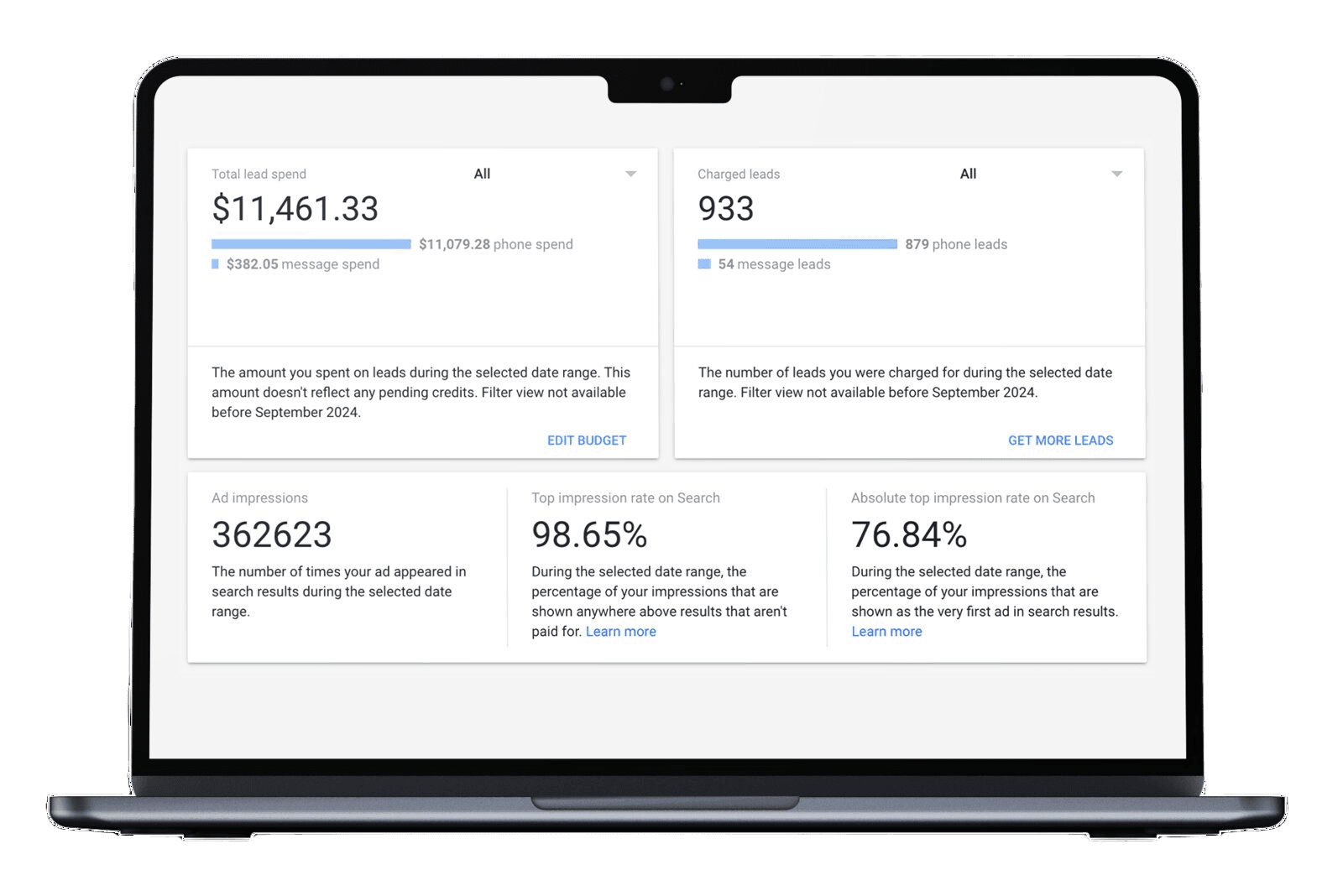
2,700+ Paid Conversions and 900+ LSA Leads for a Virginia Pet Care Brand
"From website revamp to scalable growth: driving leads through SEO and paid strategy."
Written by: Tamara Burton BelottiDancing Creek Farm
SEO + Paid AdsStorefronts built for repeat purchase, subscription, and large pet catalogs. Software Pro Digital handles pet ecommerce website development where reorder mechanics matter more than custom code.
Not on the home page. On variant sprawl, subscription friction, and a checkout carrying a dozen unused apps.
Pet catalogs have a specific failure mode. Every product comes in three sizes and four flavors, those variants get created without a structure, and the store ends up with thousands of near duplicate pages competing with each other for the same searches. It is the single most common issue we fix in pet online store development, and it suppresses rankings and confuses shoppers at the same time.
The second leak is subscription friction. Consumable pet products earn their margin on the reorder, so anything that makes managing a subscription hard is directly expensive. The third is speed, usually a dozen apps nobody has audited since launch. Software Pro Digital fixes all three in the build.
Most pet brands need reorder mechanics more than they need custom development.
Shopify development for pet brands, built around reorder economics rather than around custom code.
Deliberate structure for size and flavor variants, which is the fix that restores rankings in most pet catalogs.
Collections built around species, use case, and life stage, matching how shoppers actually browse a pet store.
Theme optimization and app cleanup, since pet stores commonly carry a dozen unused apps slowing every page.
Tiered discounts, flexible delivery intervals, and self service management for consumable products.
Fewer steps, clearer shipping, and saved payment options, because checkout is where the margin is lost quietly.
URL mapping and redirect strategy built up front, which is what protects organic revenue through a replatform.
The redirect map is built before development starts, not on launch day.
Variants, collections, apps, and theme performance reviewed, with the revenue cost of each problem quantified.
Collection and variant structure designed before any building, because it decides everything downstream.
Every existing URL mapped at the start of the project rather than treated as a launch day task.
Theme work, subscription setup, and app rationalization, keeping only what earns its place on the page.
Checkout, subscription, and speed tested end to end, then a launch that holds your existing organic revenue.
Reducing subscription friction is usually the highest value work on a consumable pet brand site.
Delivery timing the customer can change themselves, because a rigid schedule is the most common reason for cancellation.
Incentives that improve with commitment, structured so the discount is recovered by the second or third order.
Skip, pause, swap, and update address without contacting support, which materially reduces churn.
A reminder before each renewal, which prevents the surprise charge that turns into a chargeback and a lost customer.
Unmanaged variant sprawl is the most common issue we fix in a pet catalog.
Size and flavor handled as variants with canonical rules, so the store stops competing against itself.
Structured by species, use case, and life stage rather than mirroring how your supplier organizes stock.
Unique descriptions on the products carrying your margin, with the long tail on well structured templates.
Keep the page, show status, offer alternatives, because deleting product pages destroys accumulated rankings.
The last few steps carry more revenue impact than anything above them.
Pet stores commonly carry a dozen unused apps that slow every page and quietly cost conversions.
Fewer fields, clearer shipping thresholds, and saved payment, which lifts completion without touching traffic.
Feeding guidance, ingredients, and size selection made obvious, since confusion at this step is a lost order.
A replatform should hold your organic revenue, and that depends entirely on the sequencing.
Every existing URL mapped at the start of the project, rather than assembled hurriedly in the week of launch.
The new store built alongside the live one, with checkout, subscriptions, and speed tested before any switch.
Rankings, revenue, and crawl errors watched closely in the first weeks, so anything unexpected is caught early.
In pet ecommerce the structural problems are upstream of the design.
We fix variant and collection architecture rather than building a handsome theme over the same underlying problem.
Redirect maps built before development, which is why a replatform should hold organic revenue rather than cost it.
Experienced developers on the build, not juniors learning Shopify on your catalog.
Organic and total revenue tracked after launch, alongside subscription retention rather than page views.
Discover real outcomes from real clients, from local SEO wins to paid media performance and full funnel growth.
Featured"From website revamp to scalable growth: driving leads through SEO and paid strategy."
Written by: Tamara Burton BelottiDancing Creek Farm
SEO + Paid Ads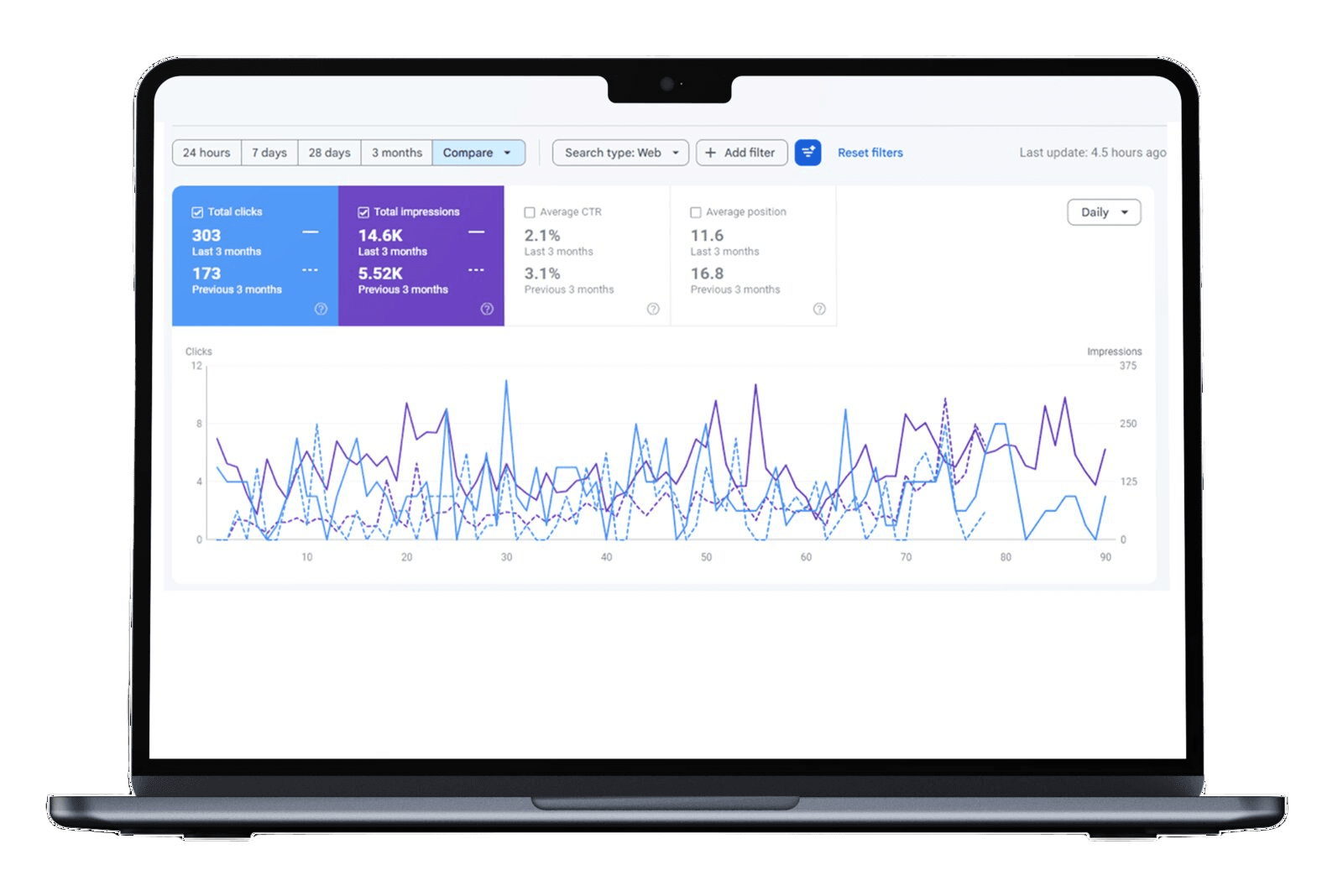
"Scaling organic traffic and visibility through a strategic website rebuild and SEO."
Written by: Paden SquiresSquires Tax Planning
Web Design + SEO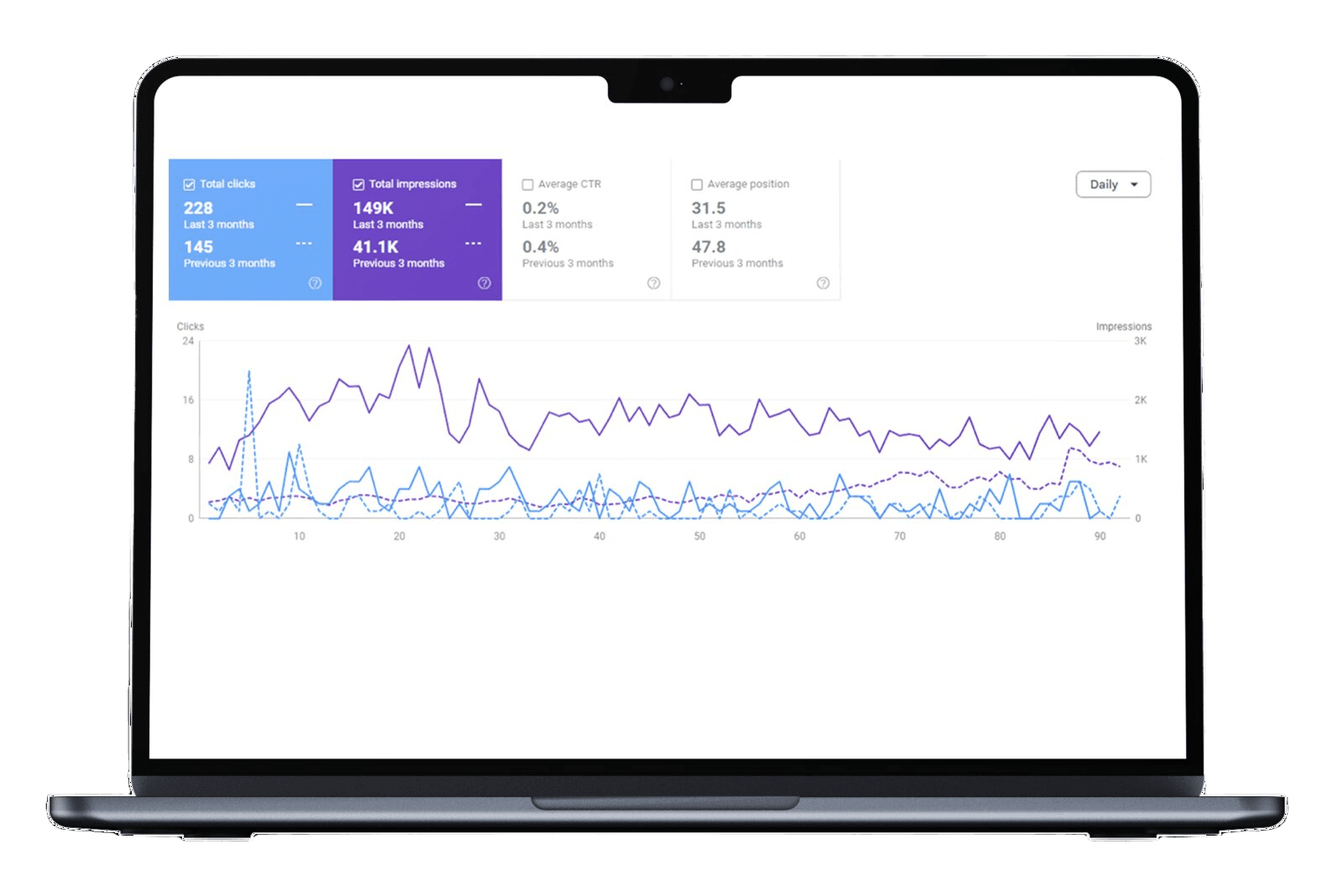
"Scaling a digital agency's visibility and leads through a website revamp and SEO."
Written by: Audrey BakhachCustom Digital Solutions
Web Design + SEO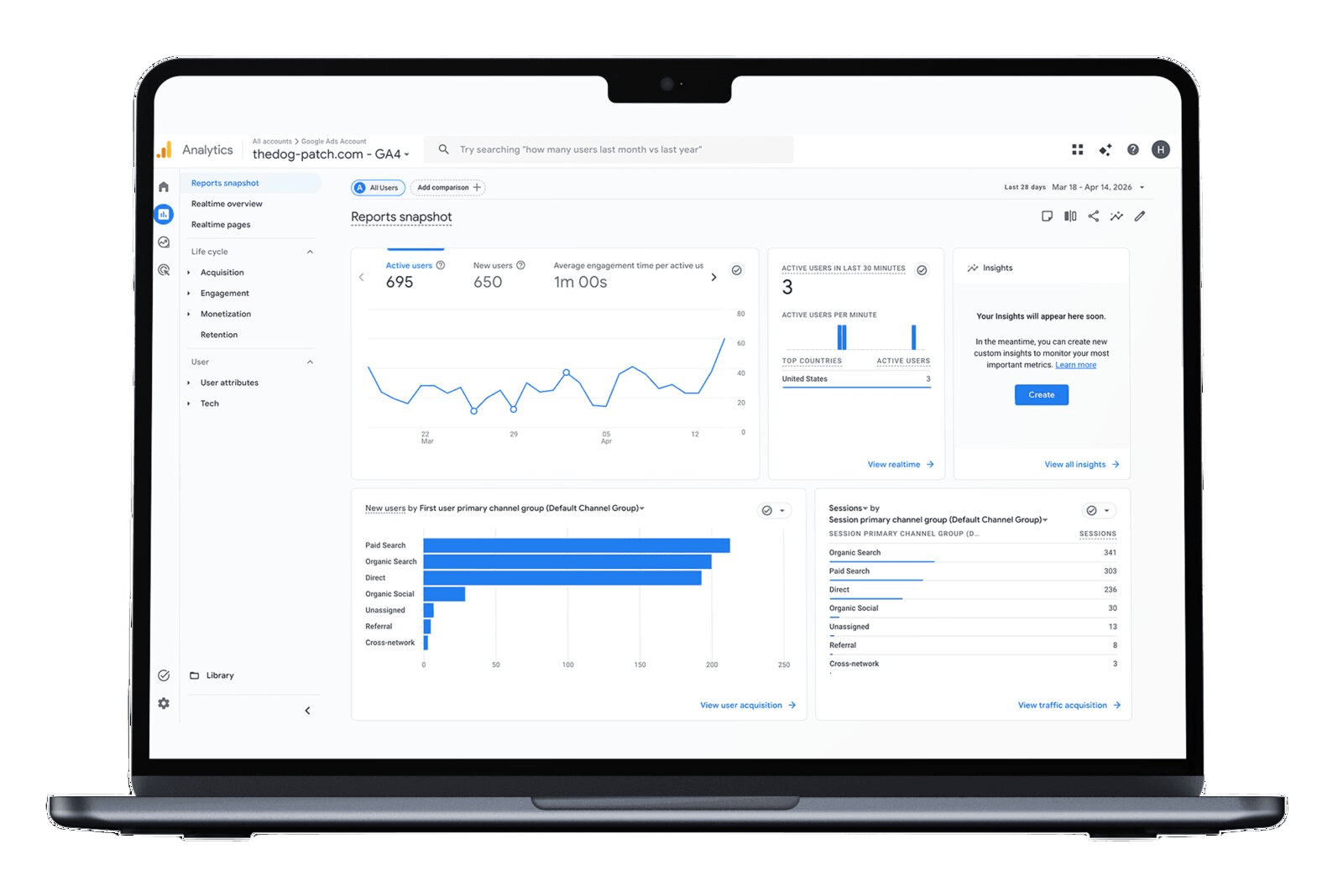
"Scaling visibility by 1,500% and driving leads through SEO, CRO, and paid strategy."
Written by: KatrinThe Dog Patch
SEO + CRO + Paid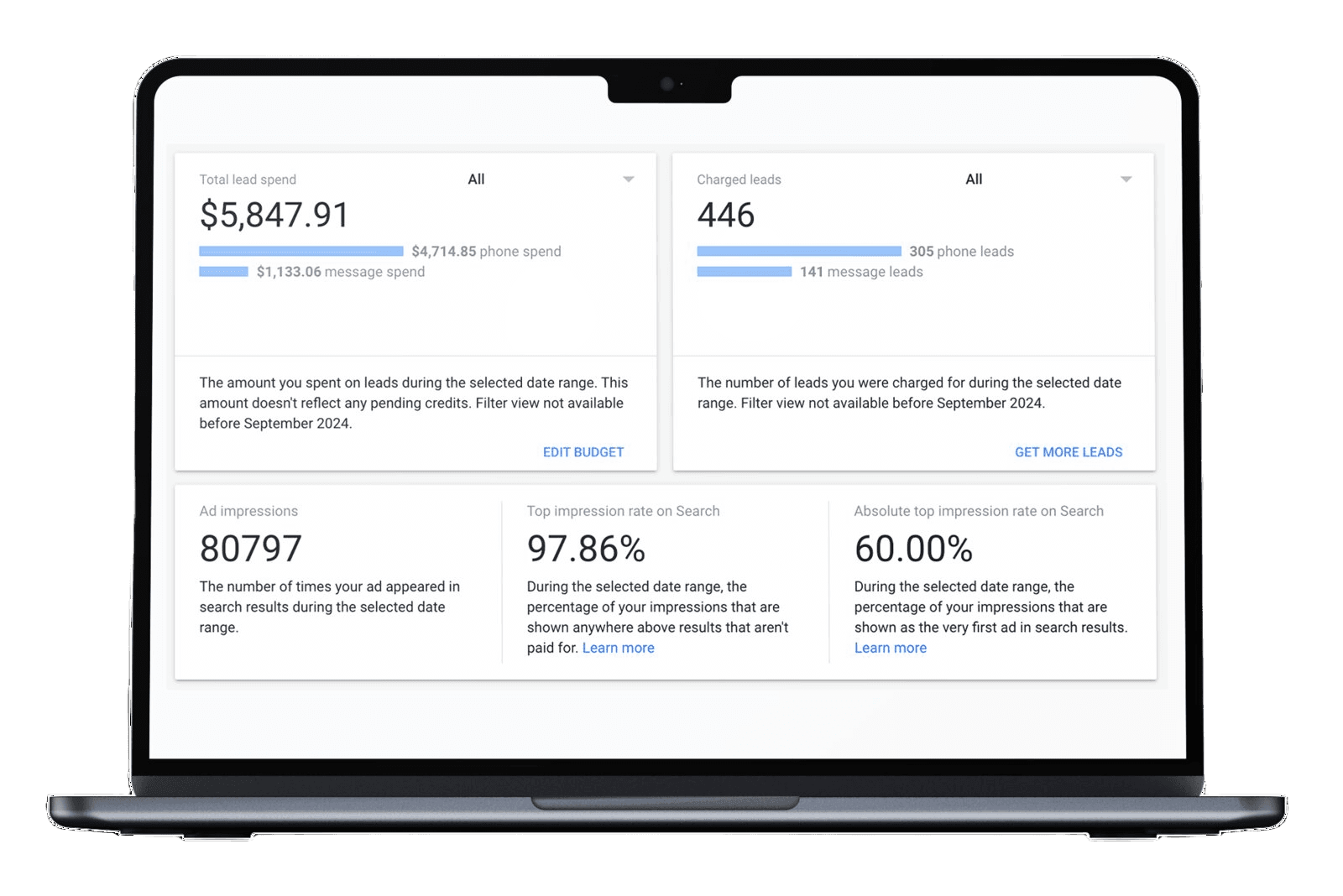
"Scaling a local pet care business with performance-driven paid campaigns."
Written by: JenniferMeeow Chicago
Google Ads + LSA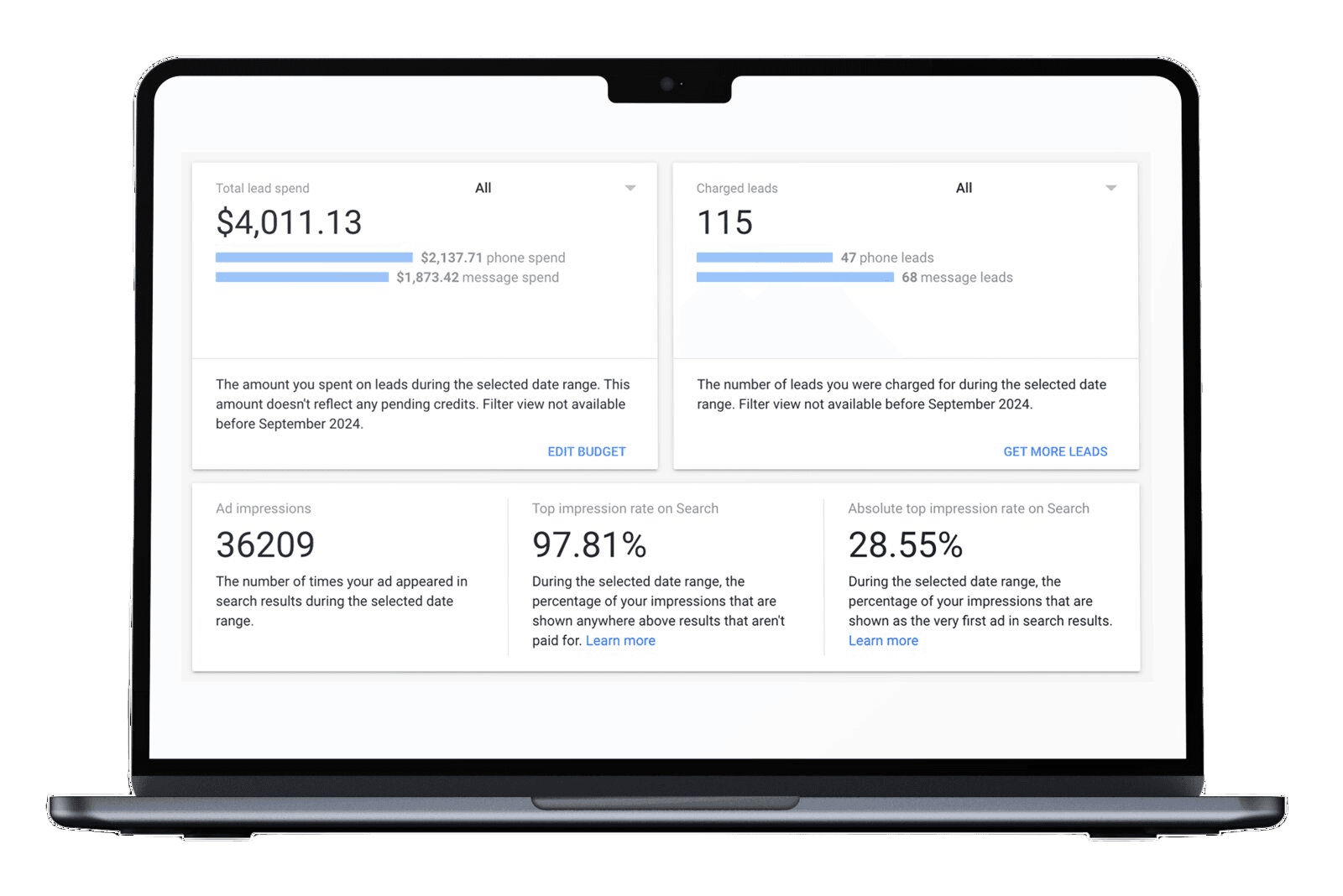
"Driving high-intent inquiries with cost-efficient paid campaigns."
Written by: Karen KreigDreamy Skies Dog Training
Local Services Ads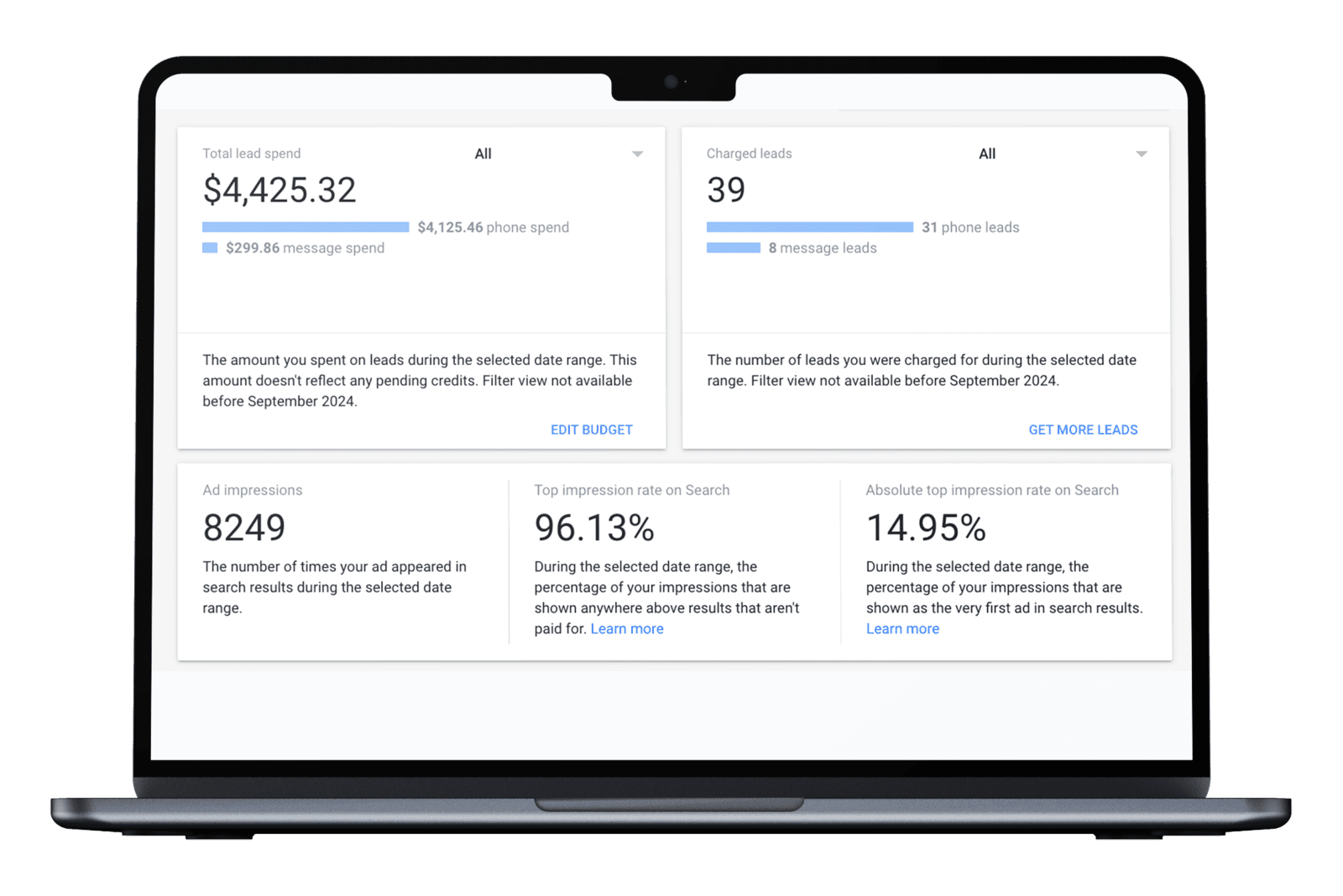
"Driving high-intent local leads through an optimized LSA strategy."
Written by: Riveka WipprechtKairos Home Improvement
Local Services Ads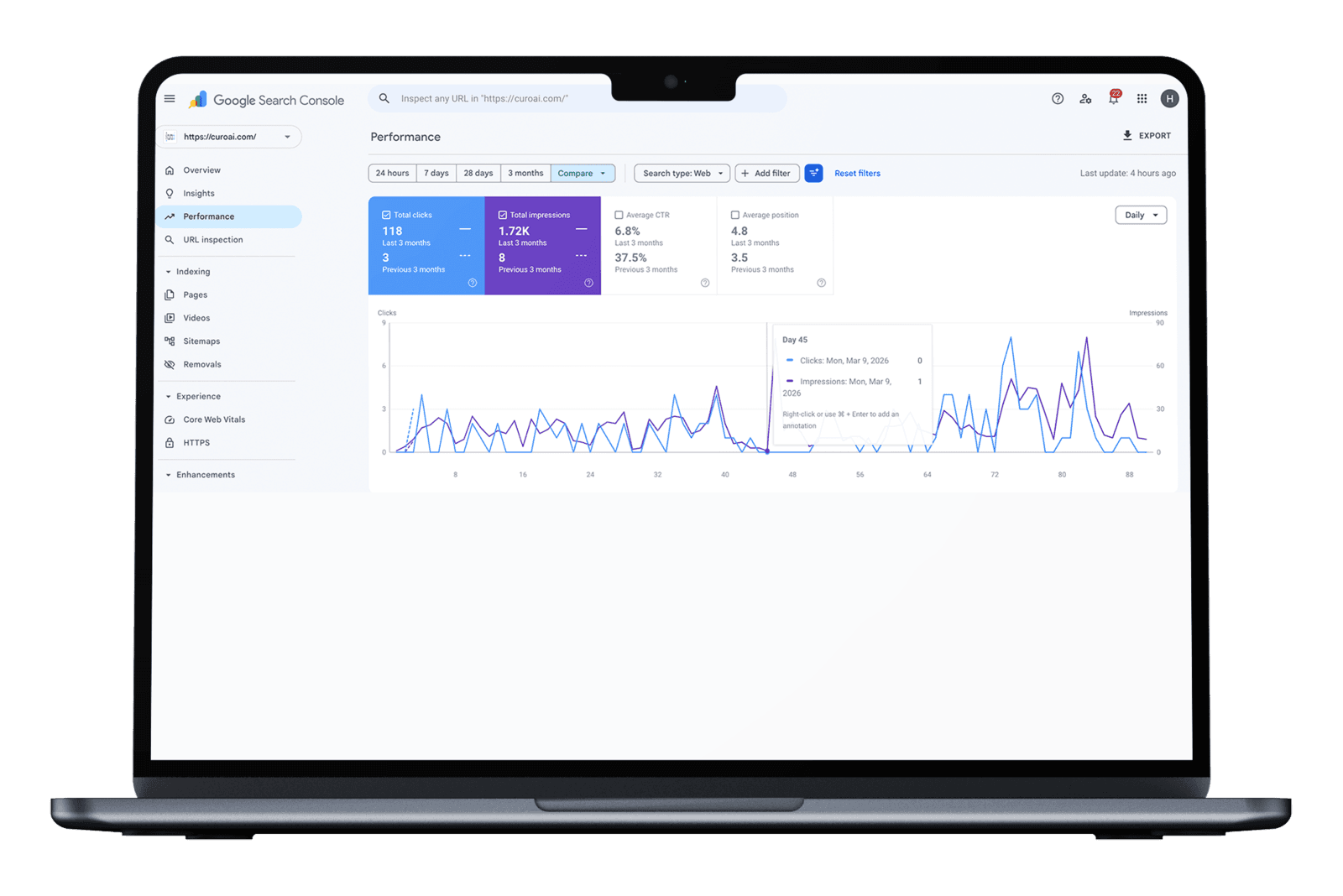
"AI integration, bot development, SEO/AEO, and ongoing website maintenance for a healthcare AI startup."
Written by: Benjamin PureCuroAI
AI + SEO/AEO
"SEO, website maintenance, and domain authority growth for a legal website."
Written by: White-Label Agency PartnerYost Law
SEO + Maintenance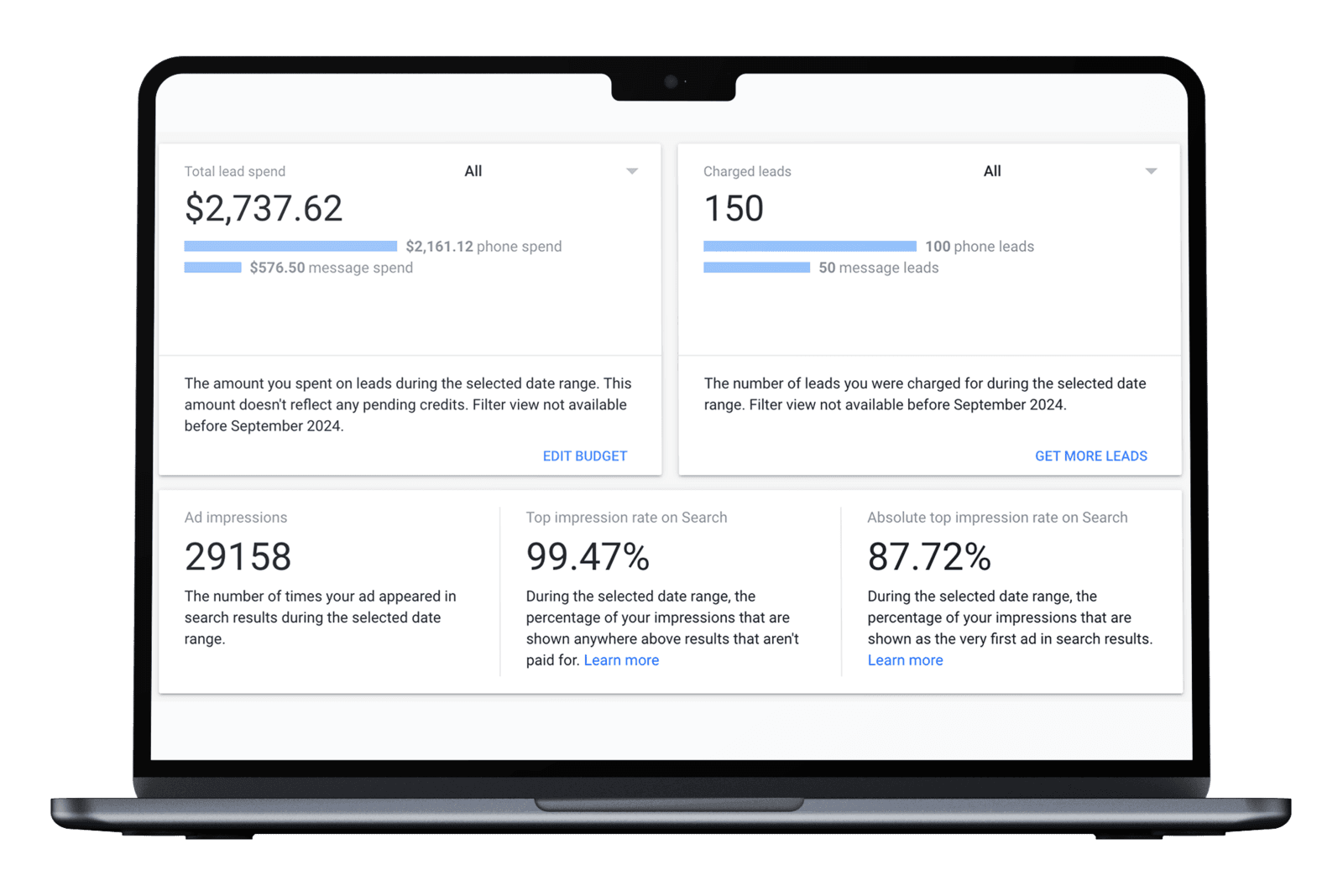
"SEO, Google Ads, LSA, and website maintenance for pet boarding business growth."
Written by: Chris WallingCanine World Boarding
SEO + Paid Ads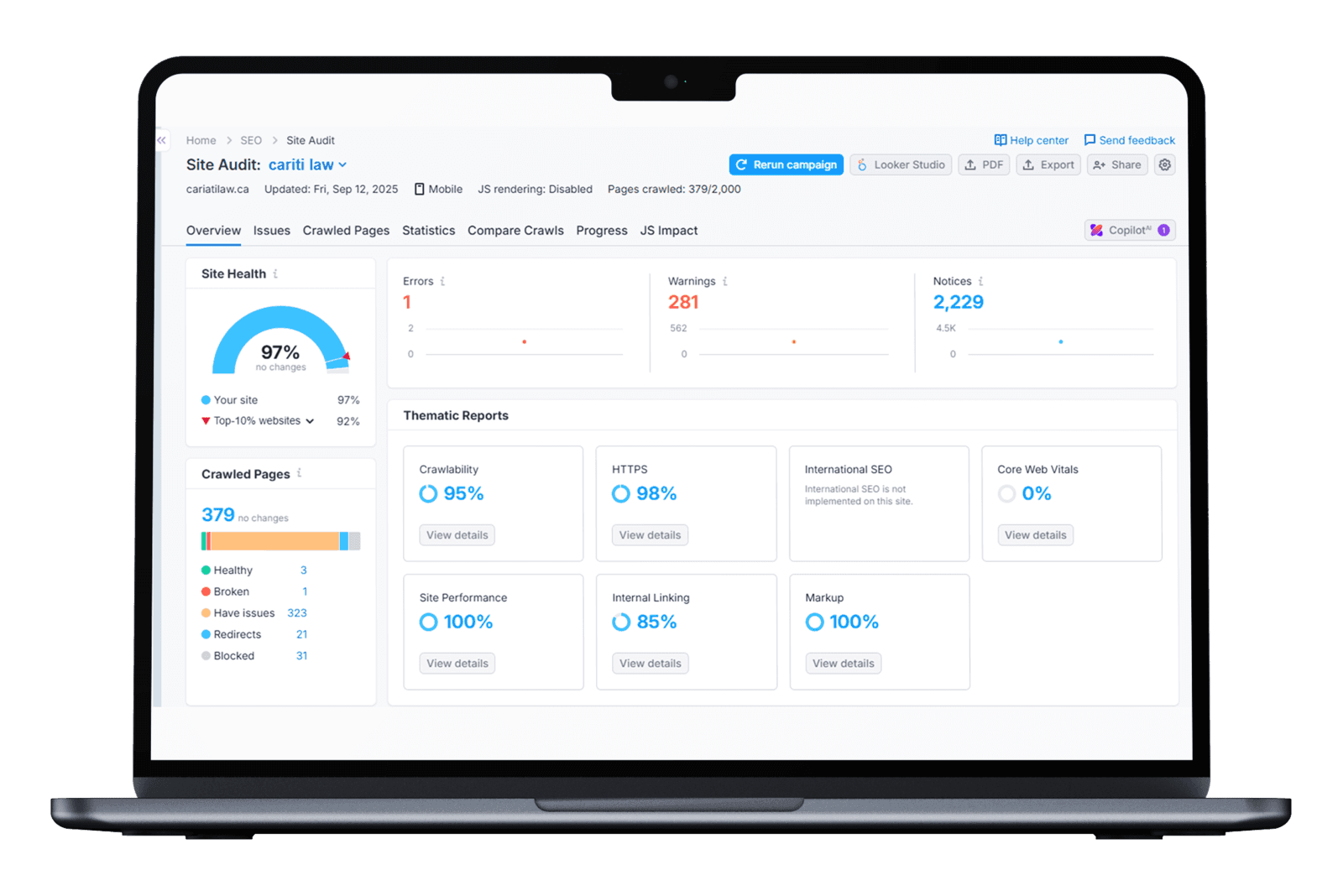
"SEO, website maintenance, and technical optimization for a legal website."
Written by: White-Label Agency PartnerCariati Law
SEO + Maintenance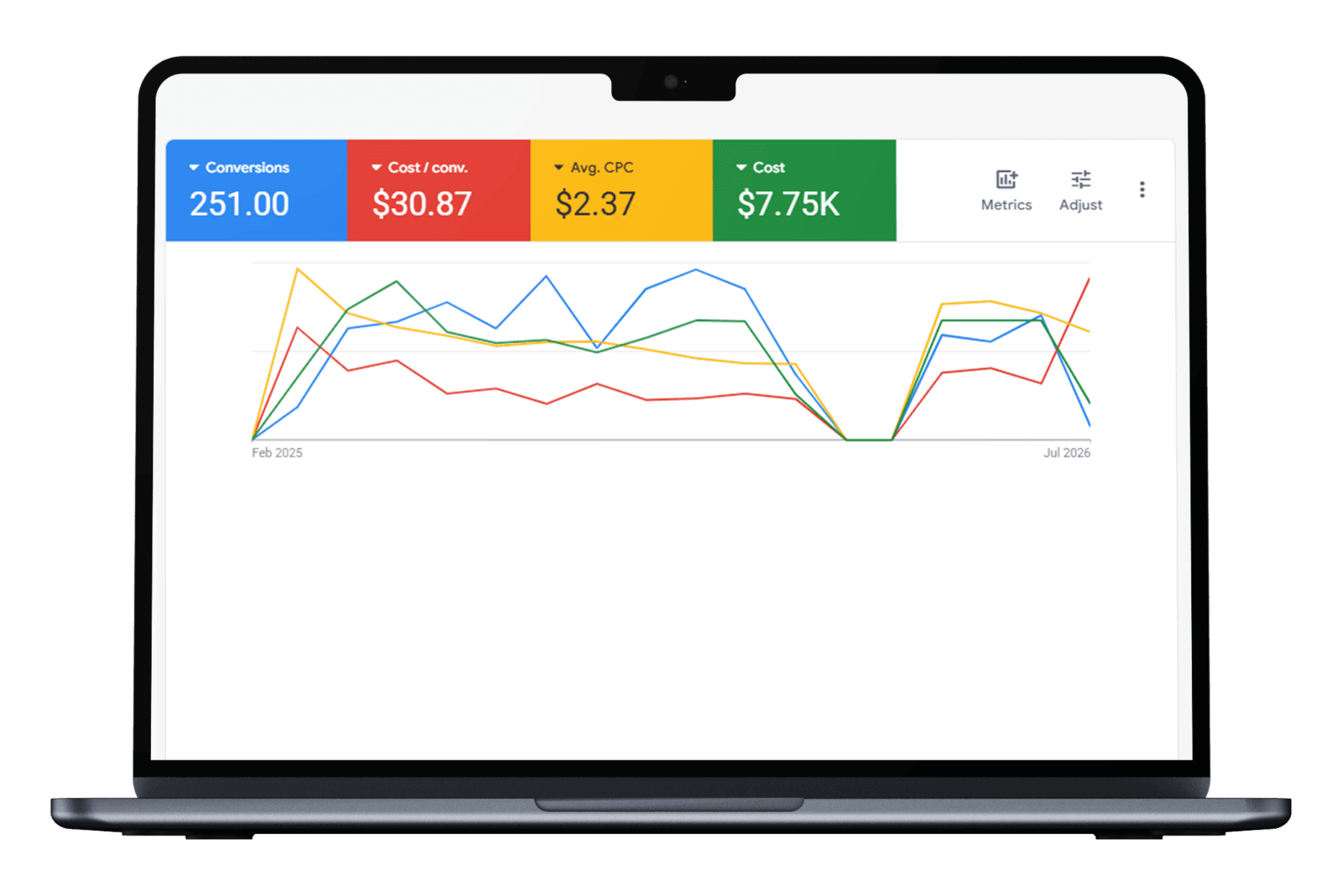
"Google Ads management and website maintenance."
Written by: JoAnna DettmannLanded Adventures
Google Ads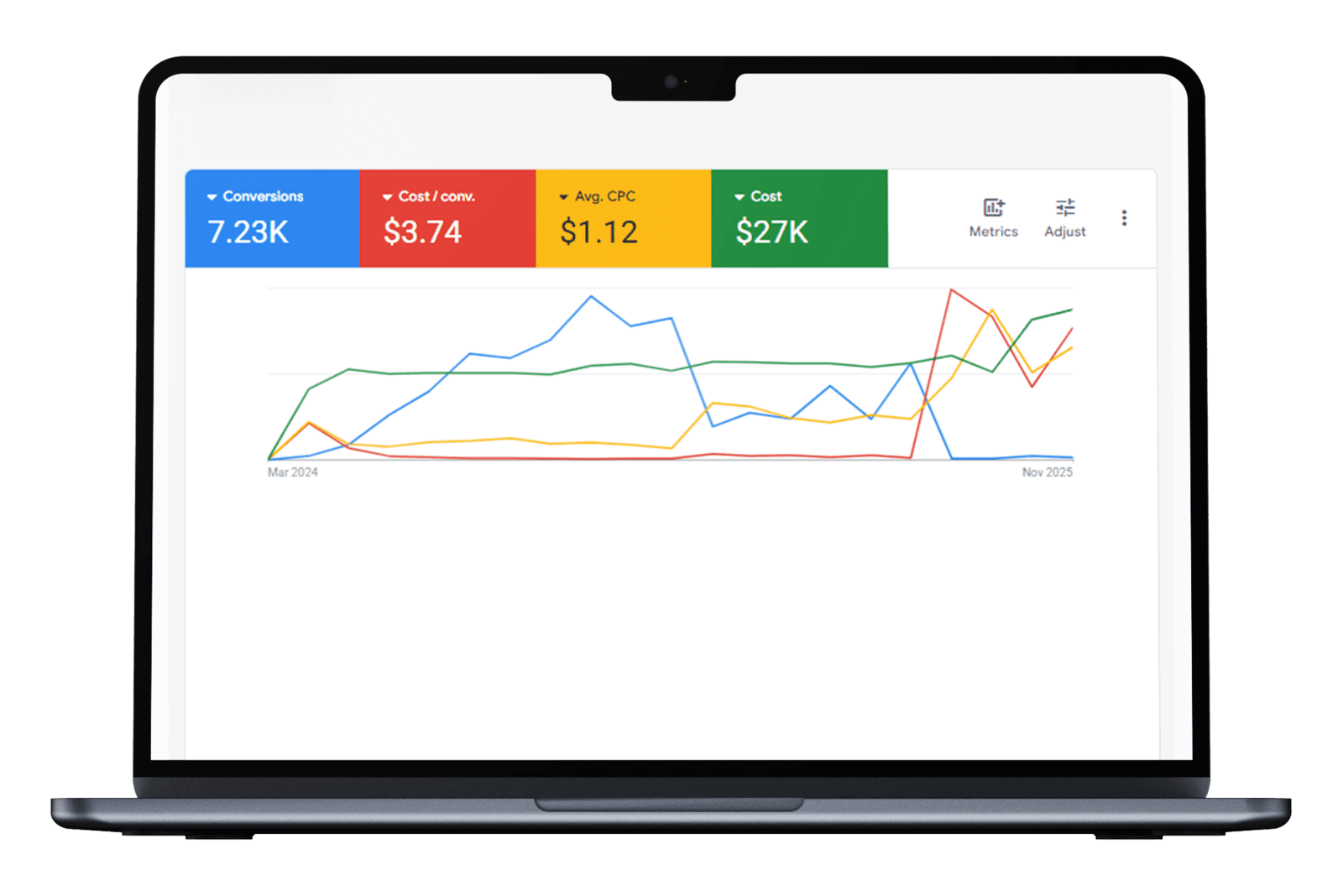
"From website revamp to scalable growth: driving leads through SEO and paid strategy."
Written by: Sidney SobgorSeadmok Water
SEO + Paid AdsA direct answer to the question pet brands ask us most.

Because pet products multiply. Almost every item comes in several sizes and several flavors, and when those get created without a deliberate structure the store ends up with thousands of near duplicate pages competing against each other for the same searches. It is the most common problem we find in pet ecommerce, and it suppresses rankings and confuses shoppers simultaneously. The fix is handling them as true variants with canonical rules, then building collections around species, use case, and life stage rather than mirroring however your supplier organizes stock.
Want your catalog audited?
Get your store planReal numbers from a decade of client work, run from our Manhattan office.
Straight answers to what ecommerce leads want to know before a build.
Because subscription, catalog, and fulfillment tooling is mature there, and most pet brands need reorder mechanics more than they need custom development.
With deliberate variant and collection architecture. Unmanaged variant sprawl creates duplicate pages, weak rankings, and a confusing shopping experience, and it is the most common issue we fix.
Yes, including tiered discounts, flexible delivery intervals, and self service management. Reducing subscription friction is usually the highest value work on a consumable pet brand site.
Not with proper URL mapping and redirect planning. We build the redirect map before development starts rather than treating it as a launch day task.
Yes. App audits, theme optimization, and image handling. Pet ecommerce sites commonly carry a dozen unused apps that slow every page and cost conversions.
Tell us about the catalog and where revenue is stalling. You will hear back within one business day.
Get a store plan covering catalog architecture, subscriptions, and migration. No obligation, just a senior strategist showing you the scope.
 Software Pro Digital
NYC-based full-service B2C and B2B digital marketing agency, driving growth for 7-8 figure brands since 2015 through SEO, AI search, paid media, and web development for clients nationwide.
Services
Industry Marketing
Company
Local
© 2026 Software Pro Digital LLC. All rights reserved.
Developed by Software Developers Pro