 Featured
Verified
2,700+ Paid Conversions and 900+ LSA Leads for a Virginia Pet Care Brand
"From website revamp to scalable growth: driving leads through SEO and paid strategy."
Written by: Tamara Burton BelottiDancing Creek Farm
SEO + Paid AdsFeed driven campaigns that scale pet product revenue profitably. Software Pro Digital runs Google Shopping for pet products where the catalog does the targeting and margin sets the bids.
In shopping and Performance Max there are no keywords. The feed is the targeting layer.
This is the single most misunderstood thing about pet product shopping ads. You do not choose the searches you appear for. Google reads your product titles, attributes, categories, and images and decides. That means a catalog with vague titles and missing attributes is invisible for half the searches it should win, and no amount of bid management fixes it from the outside.
It is also why feed work almost always produces the largest early gains we see in a pet catalog. Fixing titles, filling attributes, and cleaning image quality changes which auctions you enter at all. Software Pro Digital treats Performance Max for pet brands as a feed project first and a bidding project second.
Feed first, structure second, bids third. That order matters more than any single tactic.
Google Shopping for pet products managed end to end, from the feed through to the reporting that tells you whether growth was profitable.
Ongoing title, attribute, and image work plus disapproval resolution, the foundation everything else optimizes against.
Distinct creative per group, because Performance Max with thin assets spends unpredictably and teaches you nothing.
New customer acquisition valued separately from repeat purchases, which changes what a profitable bid looks like.
Structure by margin, product line, and best seller status, so budget never drifts toward your least profitable items.
Branded search excluded where possible and monitored separately, so reported returns reflect incremental revenue.
Return on ad spend alongside new customers and repeat orders, reported against margin rather than revenue alone.
Fix what decides eligibility first, then structure, then spend.
Titles, attributes, disapprovals, and variant sprawl reviewed, with the revenue cost of each problem quantified.
Titles restructured, attributes filled, and images checked, because this changes which auctions you can enter.
Campaigns split by margin and product line so bidding chases profit rather than easy conversions.
Real product and lifestyle assets per group, which is what separates a working Performance Max build from a black box.
Spend increased where contribution margin holds, with new customer and repeat revenue reported separately.
Pet catalogs have a specific set of feed problems, and they repeat across almost every account we audit.
Brand, product, species, life stage, flavor, and size in a consistent order, because the title carries most of the matching.
Species, breed size, age range, and dietary attributes completed, which is what opens up the more specific searches.
Size and flavor sprawl is the most common pet catalog problem. Left alone, your own products compete with each other.
Clean, consistent, correctly cropped images, because in a shopping grid the image decides the click.
Mixed margin campaigns quietly optimize toward whatever sells easiest, which is often your worst earner.
High, medium, and low margin lines separated so bidding can pursue profit rather than conversion count.
Your proven products given their own budget, so they are never starved by experiments elsewhere in the catalog.
Separate campaigns with different targets, because a new line needs data before it can be judged on returns.
Tracked on subscription value, otherwise a first subscription order looks unprofitable when it is your best acquisition.
Performance Max is only as good as what you give it. Thin assets are why most accounts underperform.
Distinct images, video, and copy for each product line rather than one shared set stretched across the catalog.
Actual animals using the product outperform packshots, because pet buying is emotional even in a shopping grid.
The claims responsible owners check, written into asset text so the listing answers before the click.
One blended return number hides whether you are actually growing.
Target returns set from your actual margin and repeat rate, not from a benchmark someone quoted from another industry.
Acquisition reported apart from repeat revenue, so branded and returning orders cannot flatter the numbers.
Consumable pet products with strong reorder rates can profitably run a lower first order return than accessories.
Most agencies manage bids. The bigger wins in a pet catalog are upstream.
We rebuild titles and attributes rather than just reporting that the feed has issues and waiting for someone else.
Structure and bidding built around margin, so scale does not quietly arrive at the expense of contribution.
Experienced media buyers run the account, not juniors learning shopping campaigns on your catalog.
Brand terms controlled and new customers reported apart, so growth on paper matches growth in the bank.
Discover real outcomes from real clients, from local SEO wins to paid media performance and full funnel growth.
Featured"From website revamp to scalable growth: driving leads through SEO and paid strategy."
Written by: Tamara Burton BelottiDancing Creek Farm
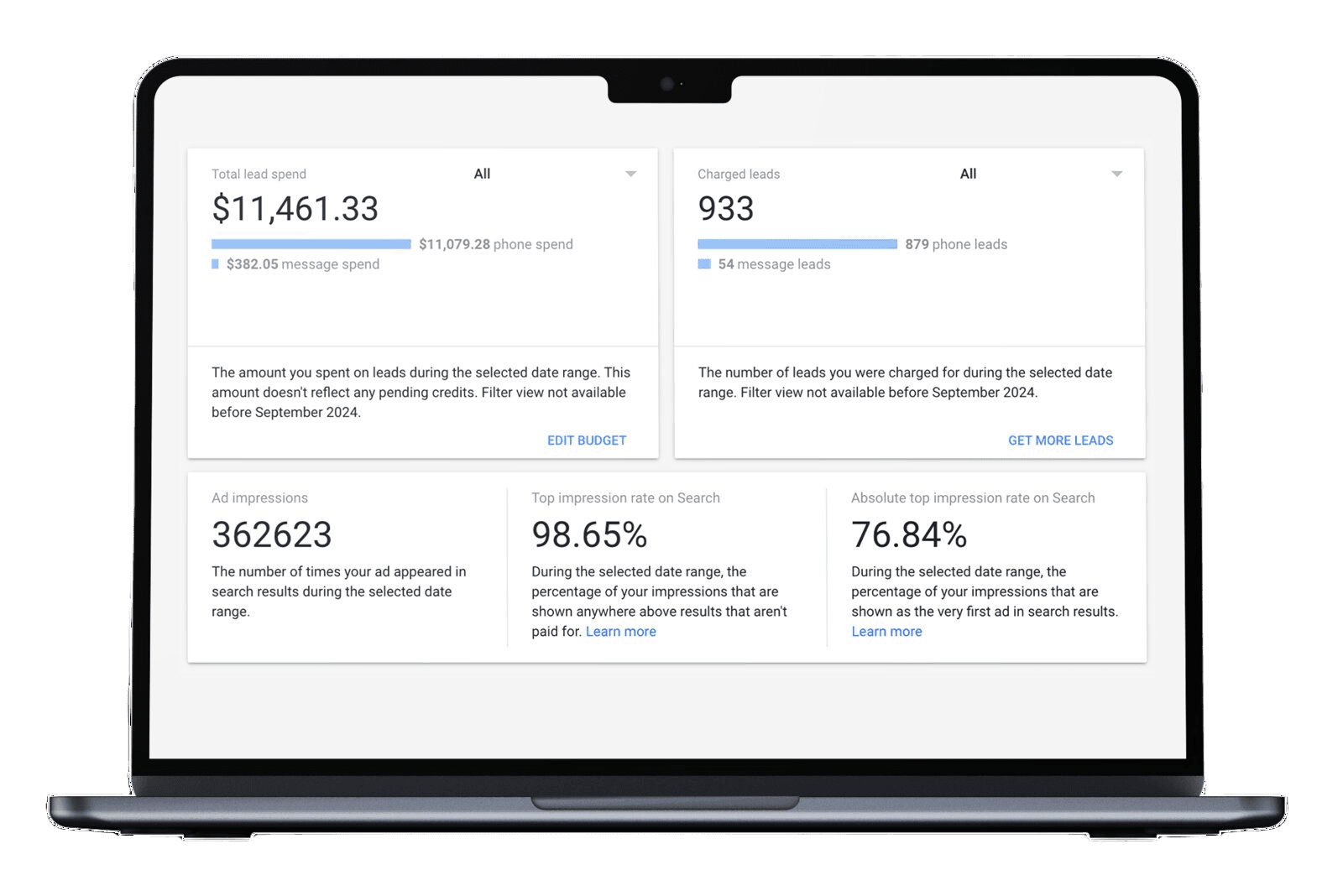
SEO + Paid Ads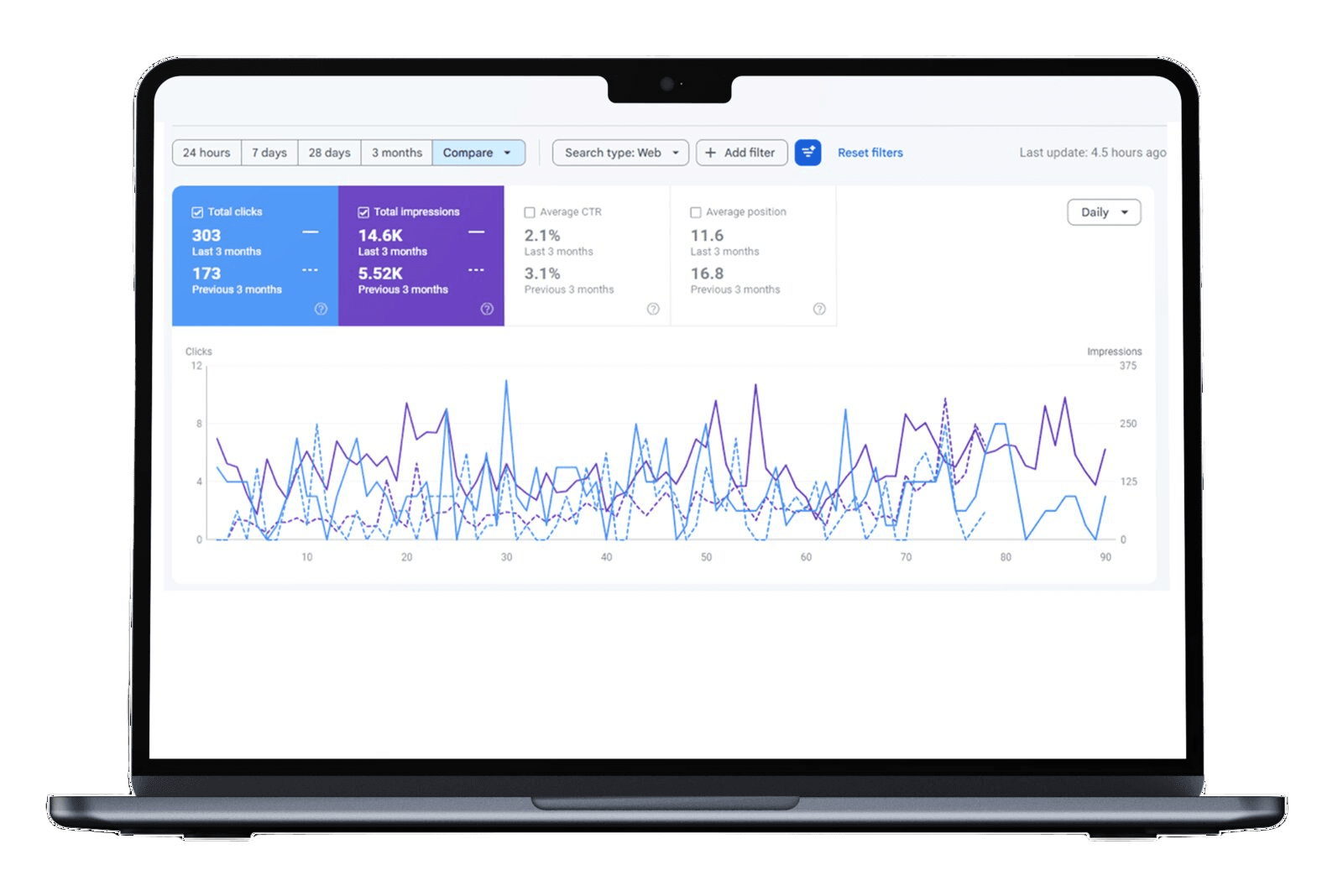
"Scaling organic traffic and visibility through a strategic website rebuild and SEO."
Written by: Paden SquiresSquires Tax Planning
Web Design + SEO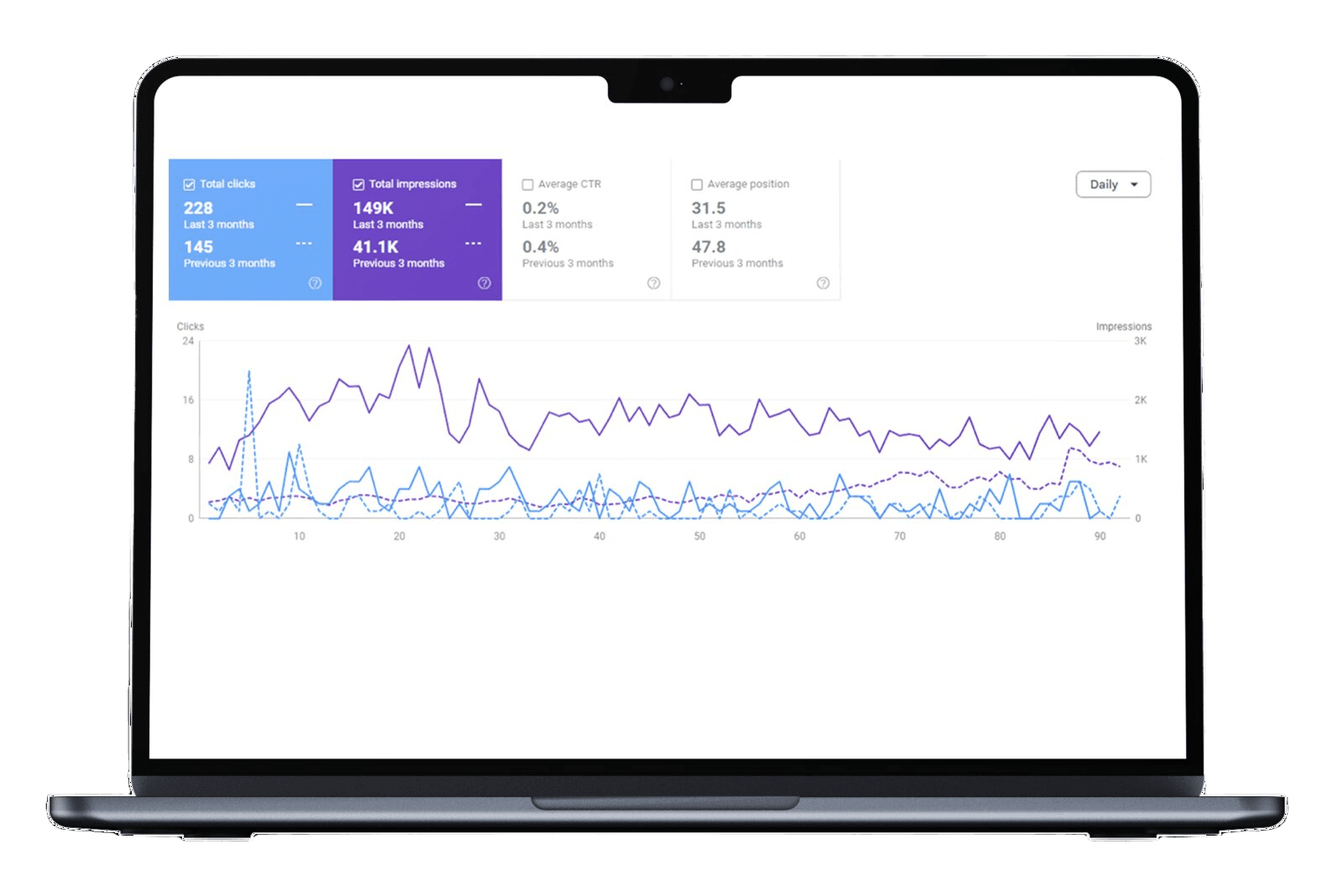
"Scaling a digital agency's visibility and leads through a website revamp and SEO."
Written by: Audrey BakhachCustom Digital Solutions
Web Design + SEO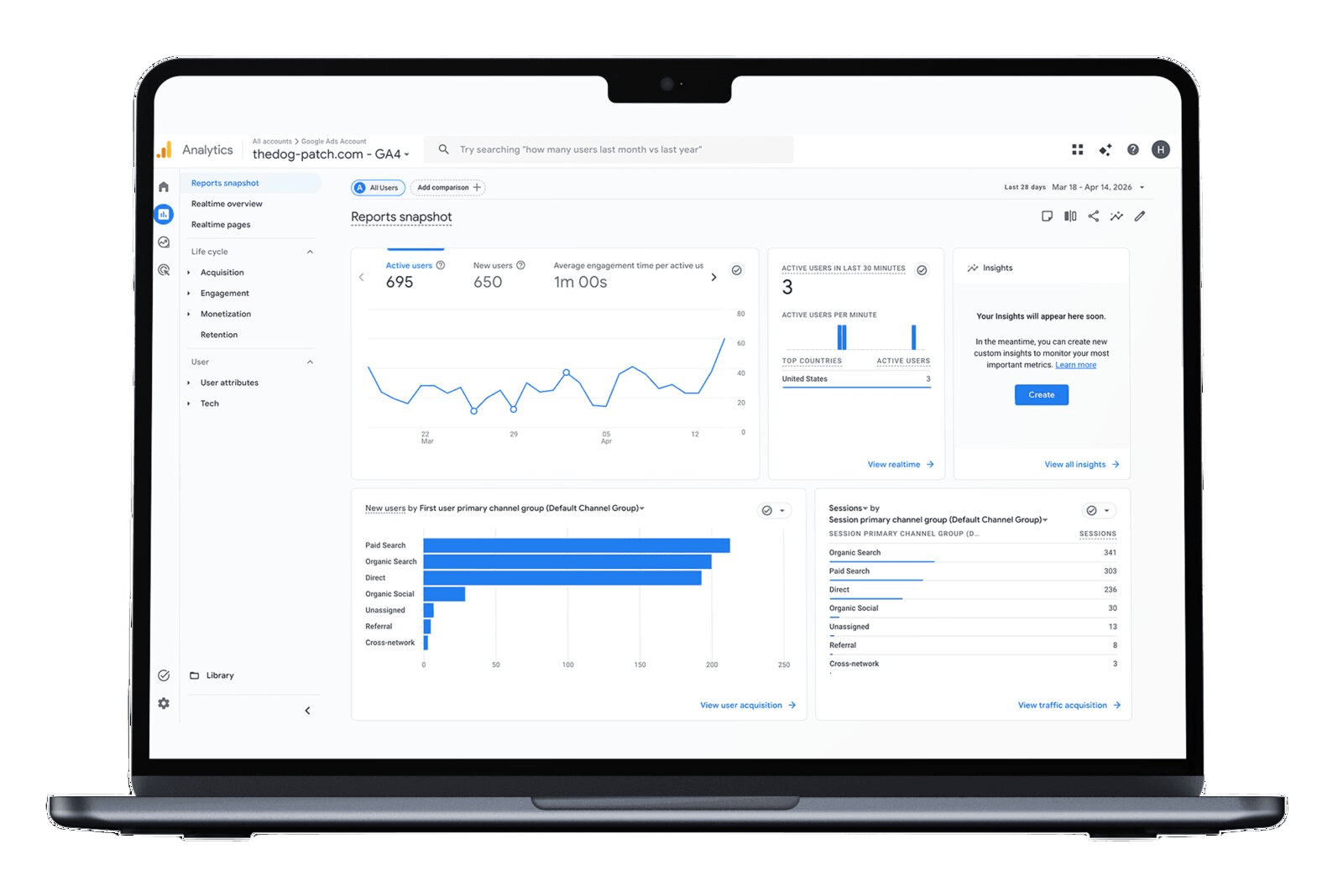
"Scaling visibility by 1,500% and driving leads through SEO, CRO, and paid strategy."
Written by: KatrinThe Dog Patch
SEO + CRO + Paid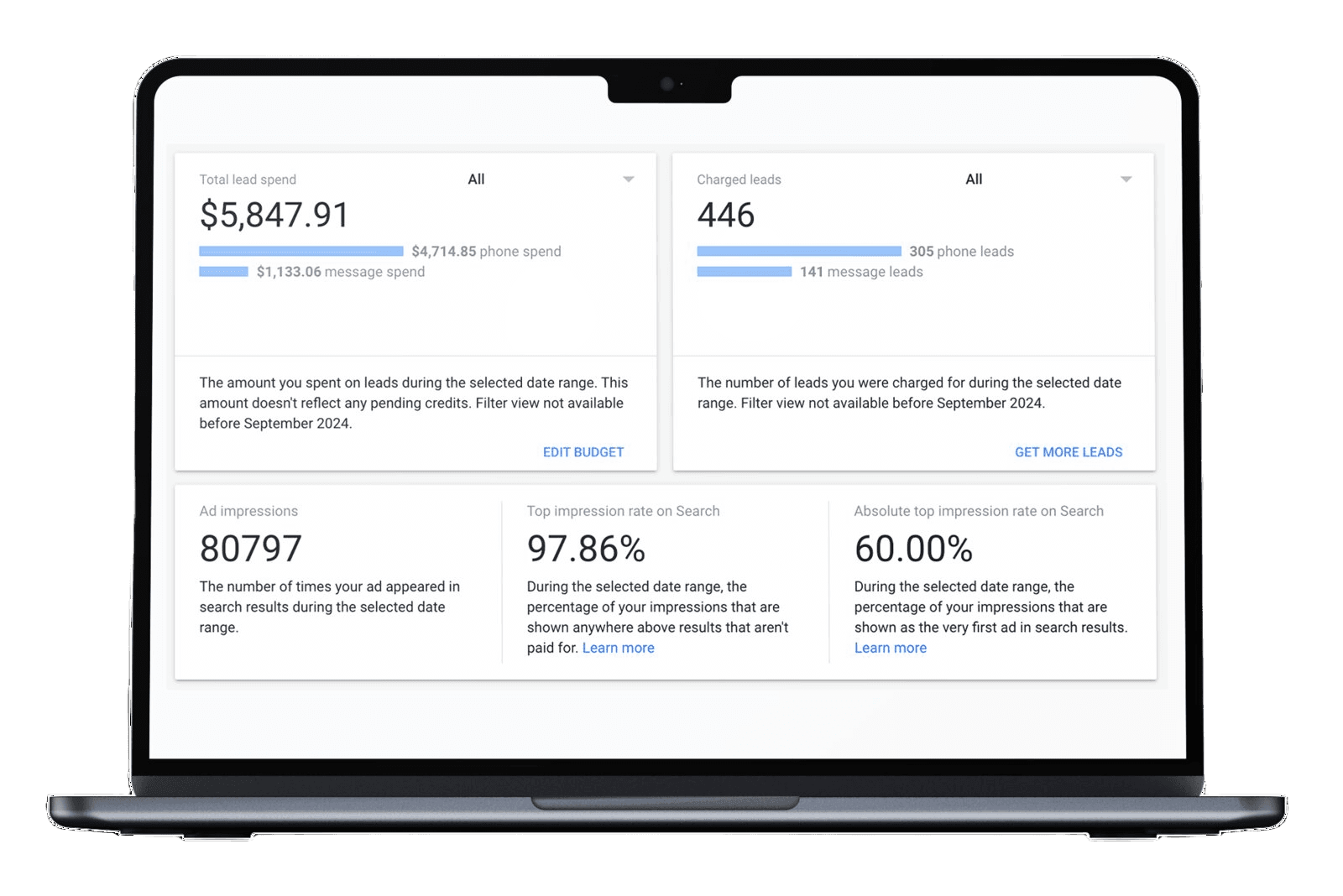
"Scaling a local pet care business with performance-driven paid campaigns."
Written by: JenniferMeeow Chicago
Google Ads + LSA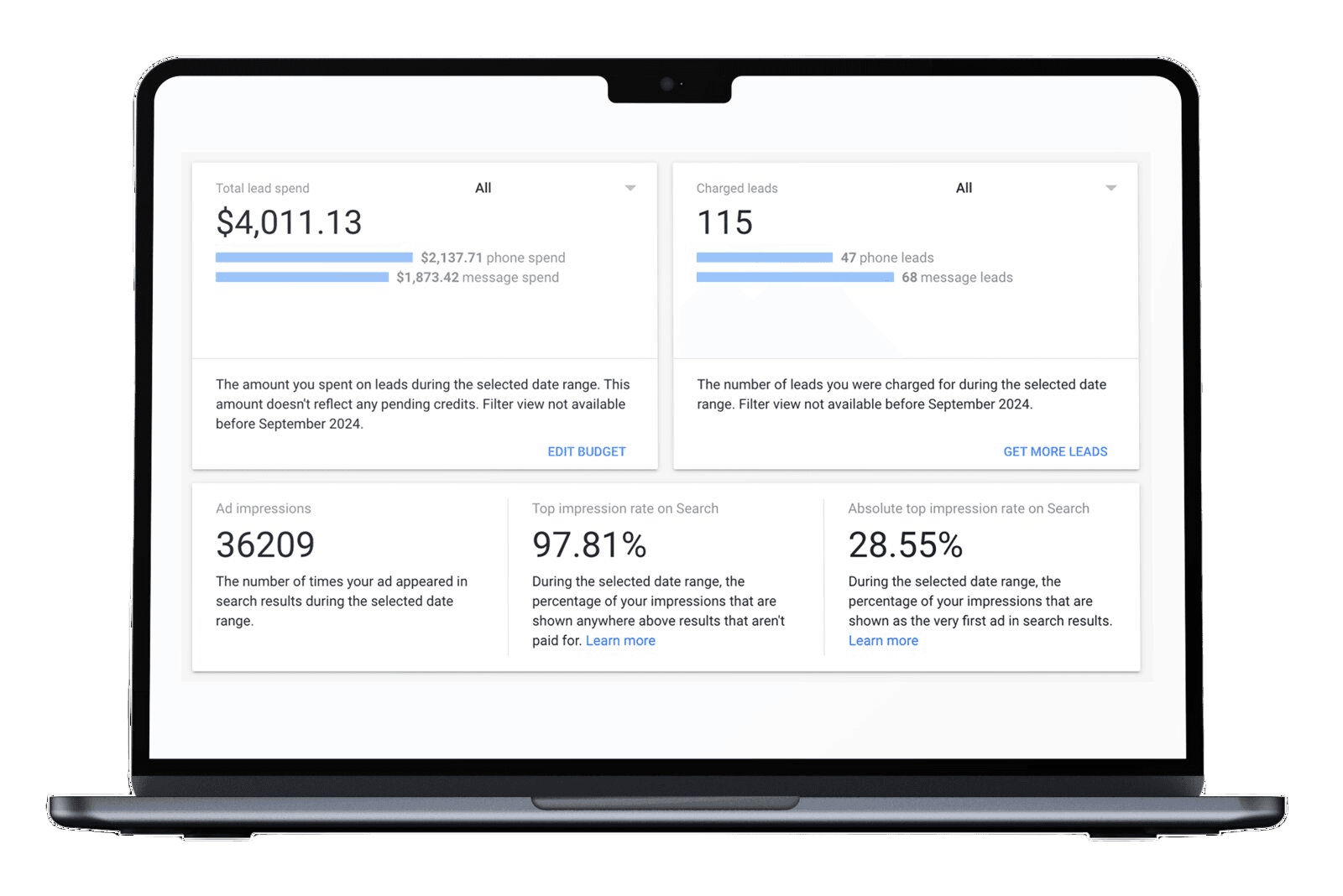
"Driving high-intent inquiries with cost-efficient paid campaigns."
Written by: Karen KreigDreamy Skies Dog Training
Local Services Ads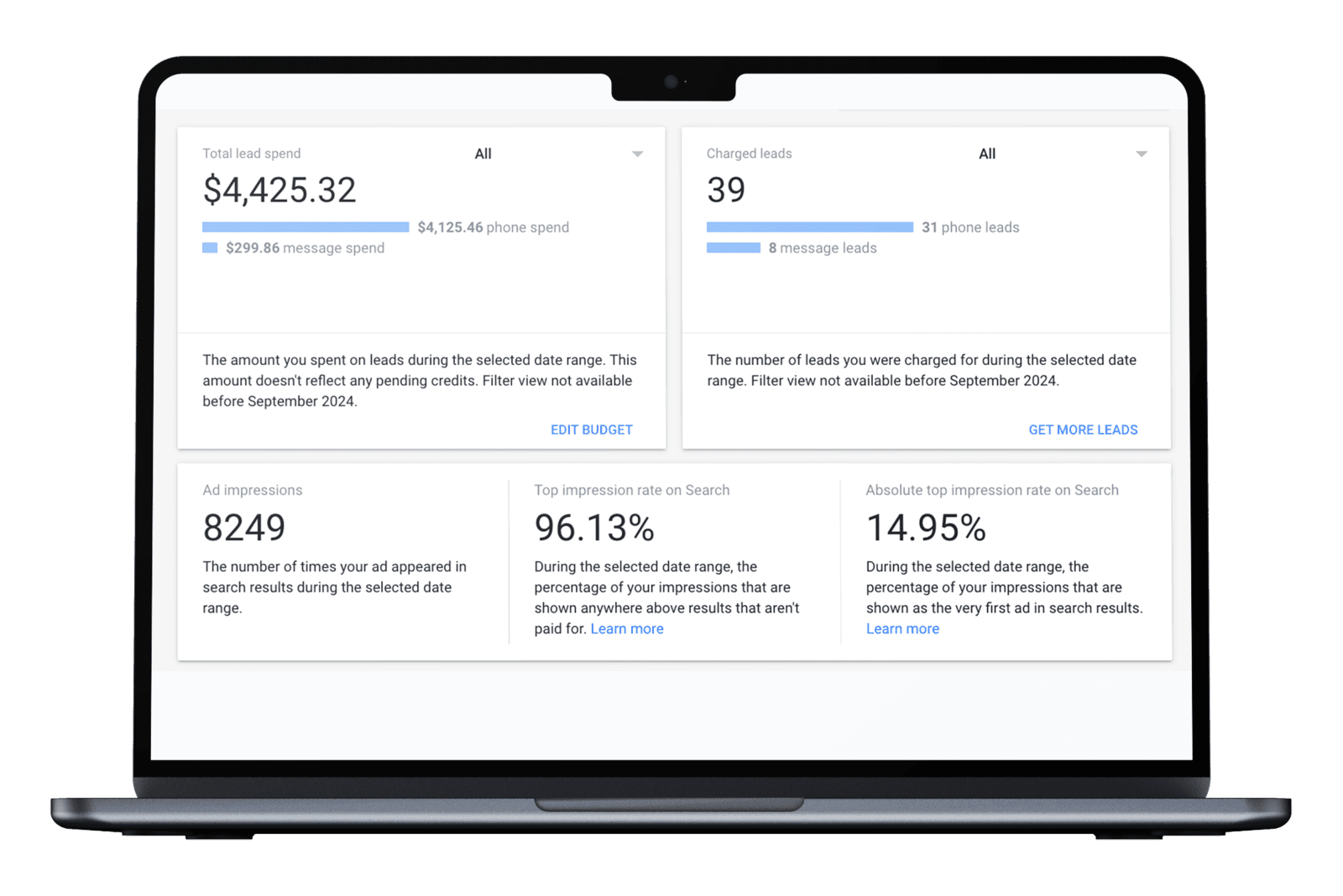
"Driving high-intent local leads through an optimized LSA strategy."
Written by: Riveka WipprechtKairos Home Improvement
Local Services Ads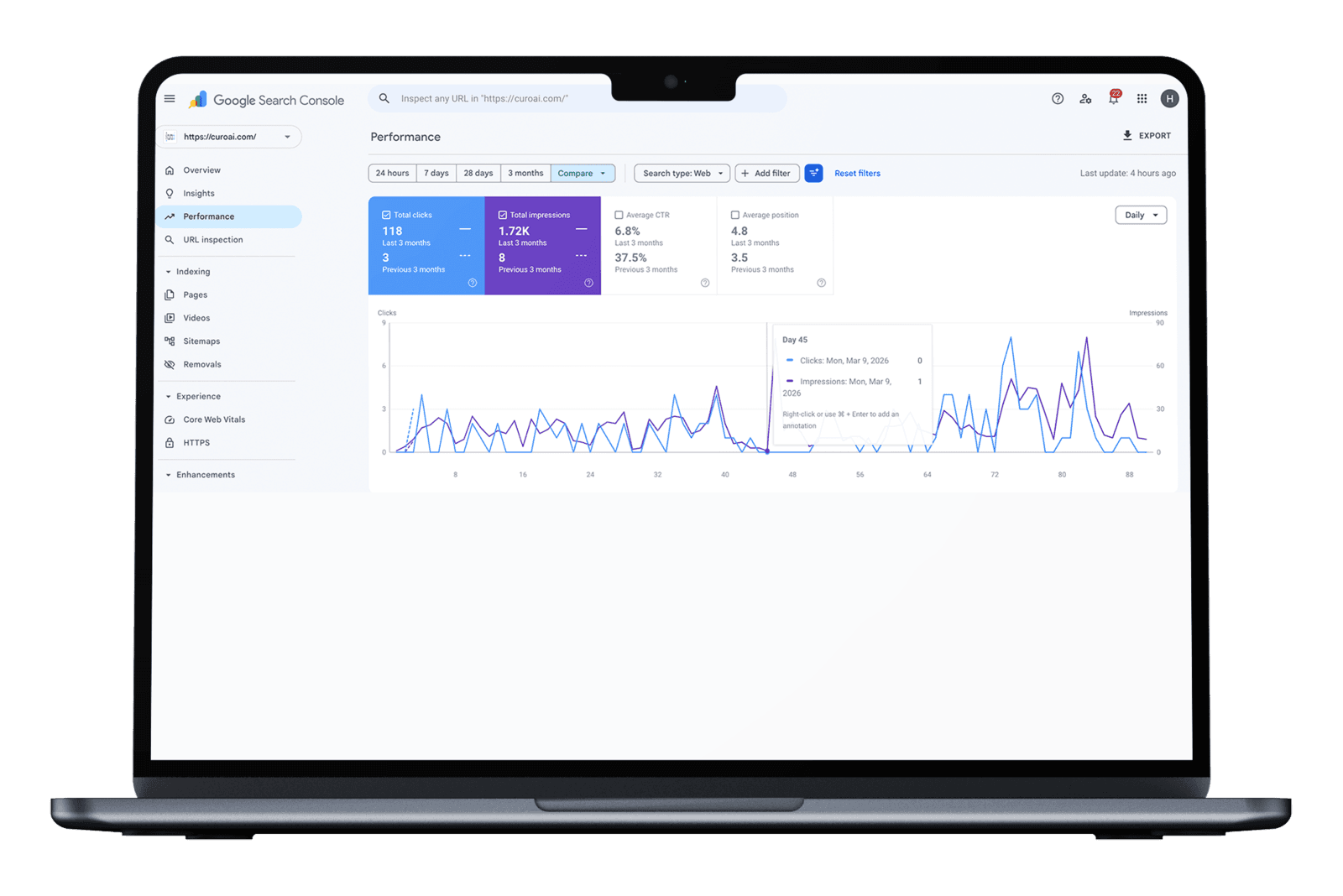
"AI integration, bot development, SEO/AEO, and ongoing website maintenance for a healthcare AI startup."
Written by: Benjamin PureCuroAI
AI + SEO/AEO
"SEO, website maintenance, and domain authority growth for a legal website."
Written by: White-Label Agency PartnerYost Law
SEO + Maintenance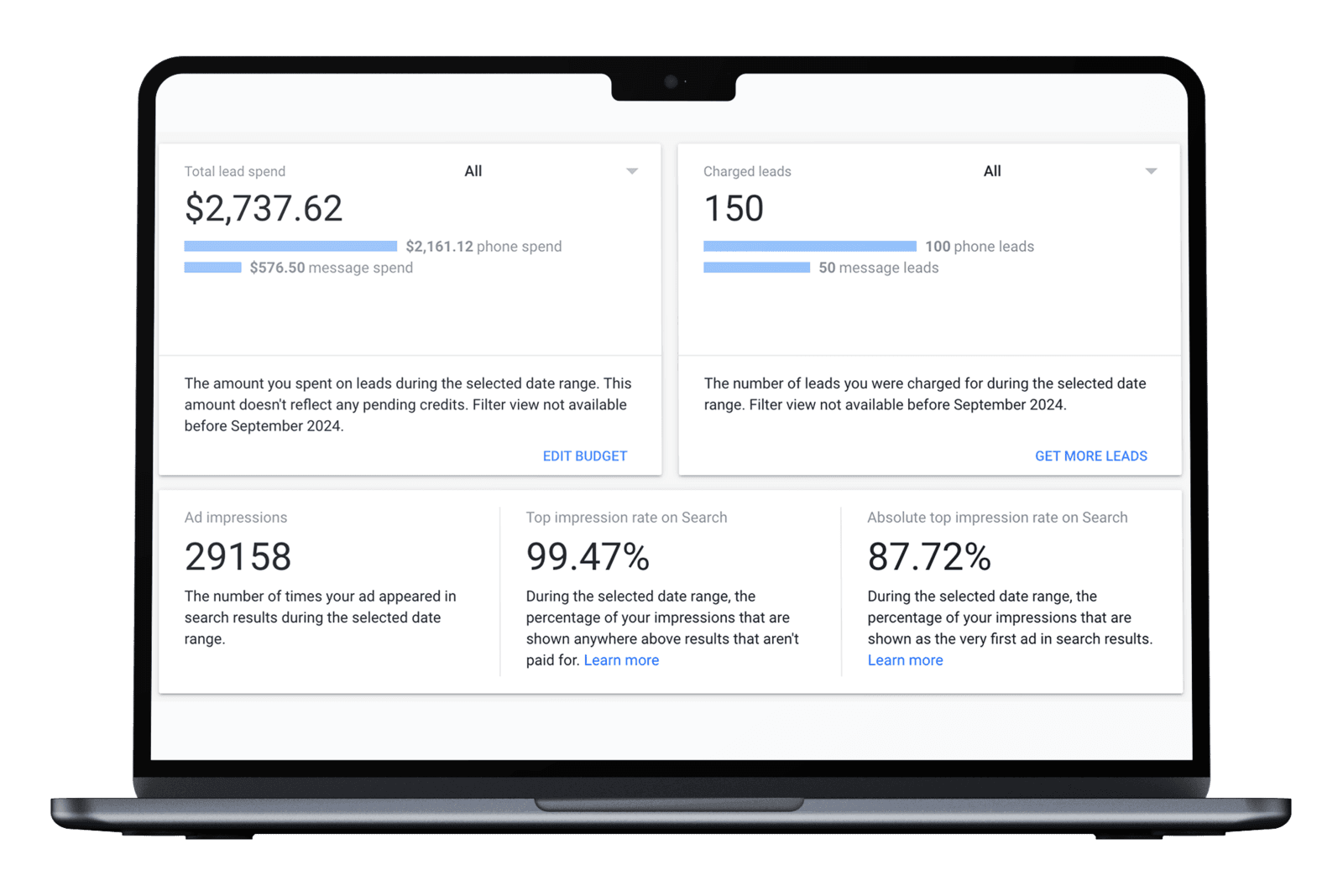
"SEO, Google Ads, LSA, and website maintenance for pet boarding business growth."
Written by: Chris WallingCanine World Boarding
SEO + Paid Ads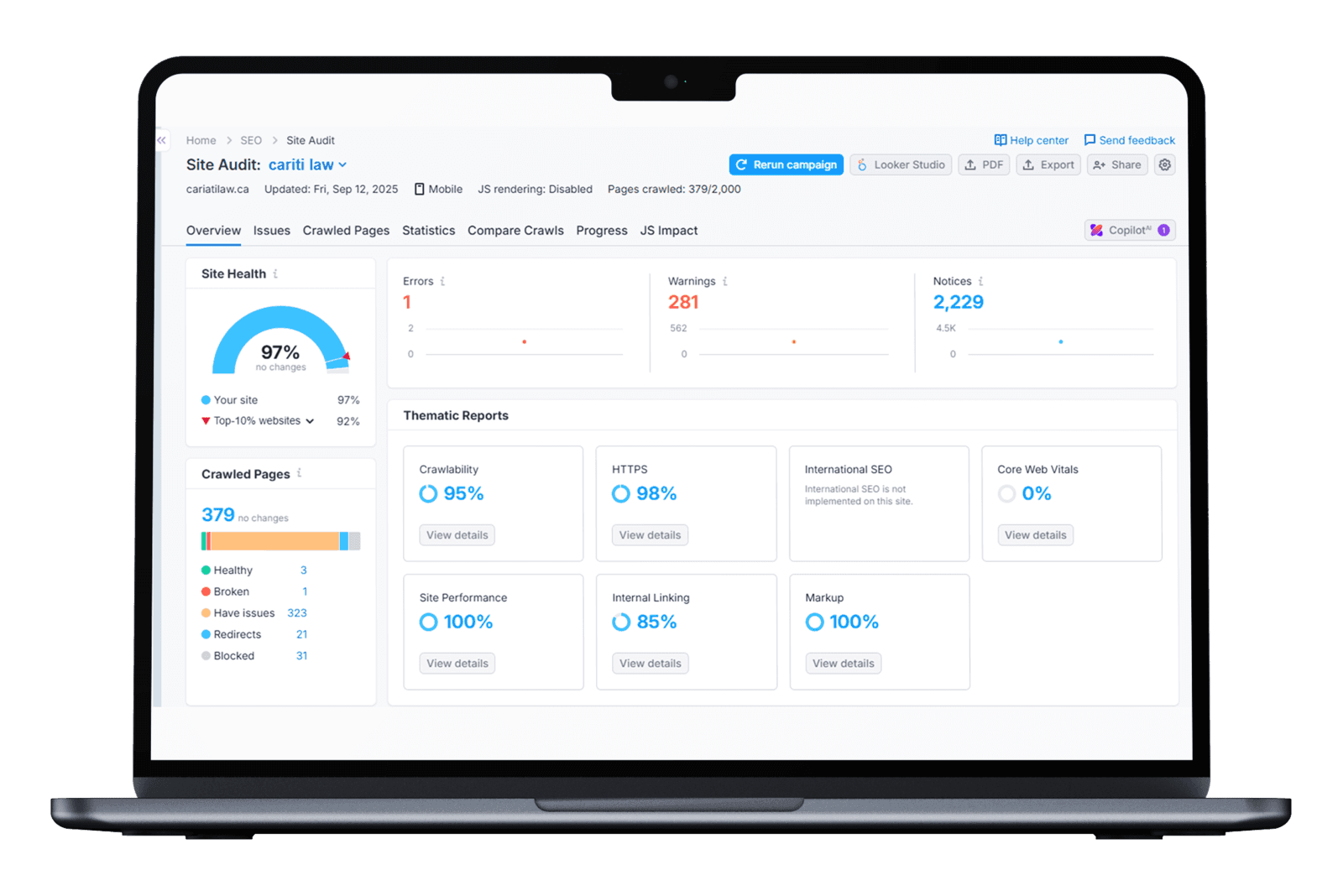
"SEO, website maintenance, and technical optimization for a legal website."
Written by: White-Label Agency PartnerCariati Law
SEO + Maintenance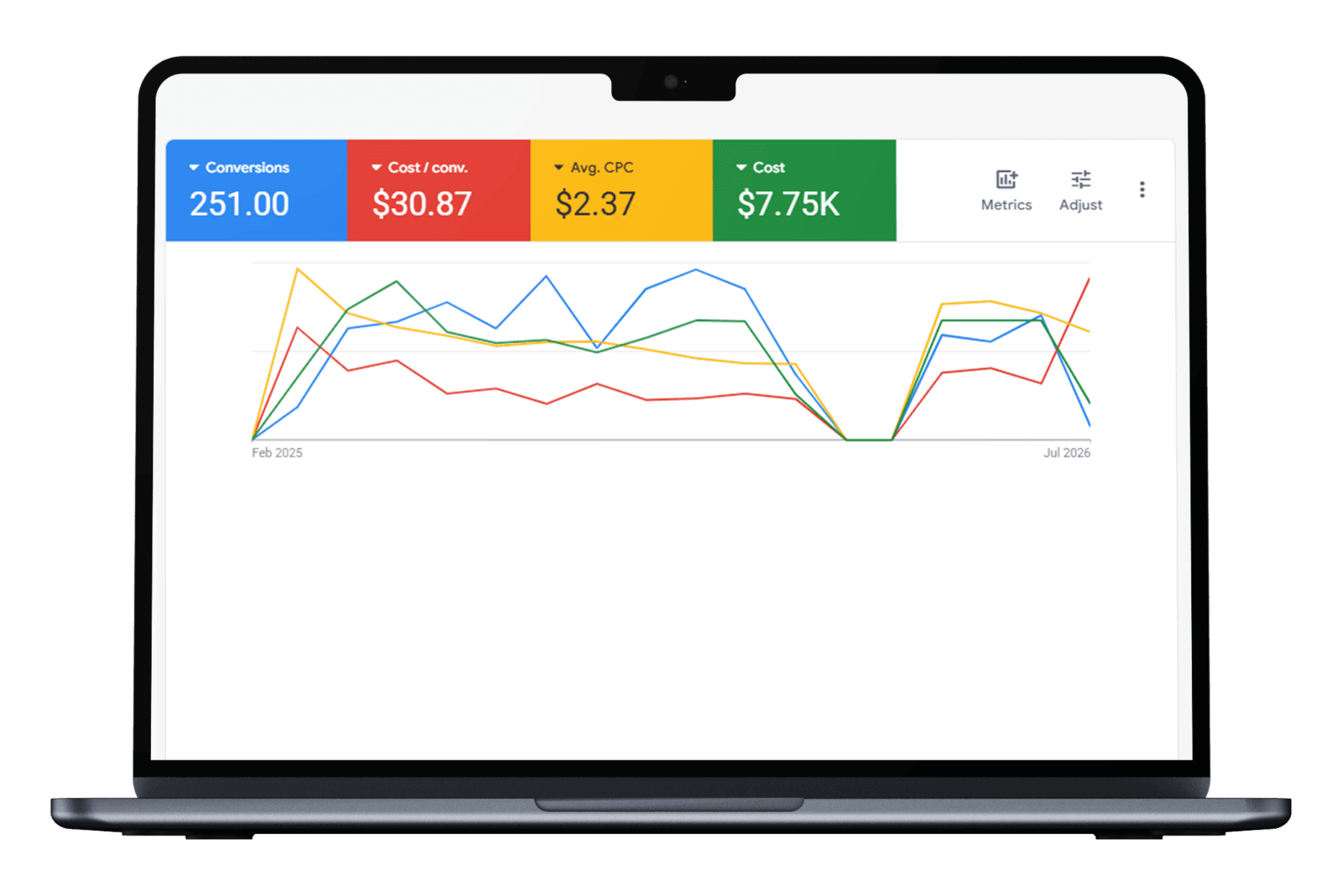
"Google Ads management and website maintenance."
Written by: JoAnna DettmannLanded Adventures
Google Ads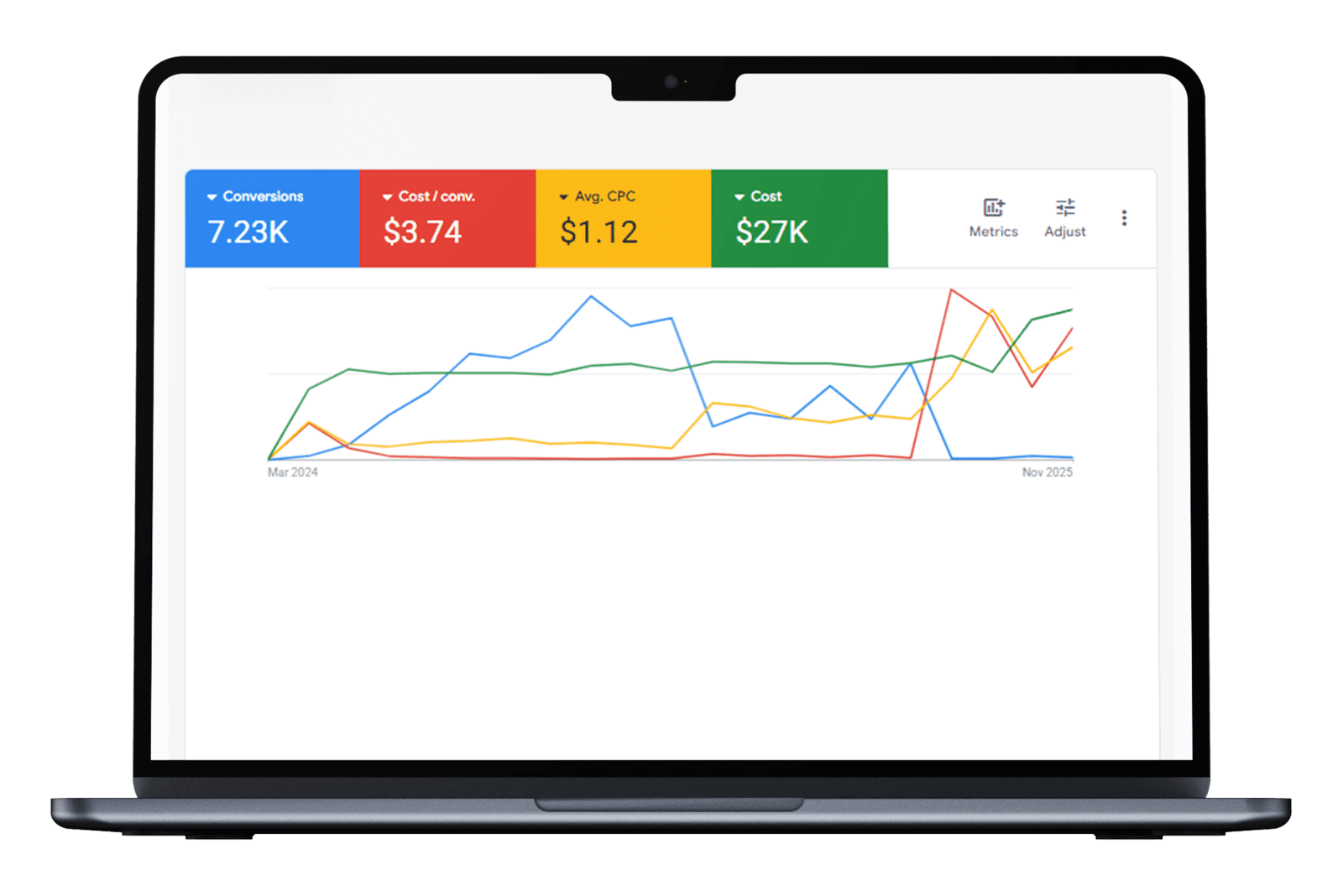
"From website revamp to scalable growth: driving leads through SEO and paid strategy."
Written by: Sidney SobgorSeadmok Water
SEO + Paid AdsA direct answer to the question pet brands ask us most.

Because in shopping and Performance Max the feed replaces keywords entirely. You do not pick the searches you appear for. Google reads your titles, attributes, categories, and images and decides eligibility from those. A catalog with vague titles and empty attributes is simply absent from half the searches it should win, and no amount of bid tuning recovers that from the outside. It is why feed work almost always produces the largest early gains in a pet catalog, and why variant sprawl across sizes and flavors is the most expensive problem we find.
Want your feed checked properly?
Get your shopping auditReal numbers from a decade of client work, run from our Manhattan office.
Straight answers to what ecommerce leads want to know first.
Because the feed replaces keywords in shopping and Performance Max. Titles, attributes, and image quality decide which searches you appear for, so feed work usually produces the largest early gains.
No. Mixed margin campaigns optimize toward whatever converts most easily, which is often your least profitable item. Splitting by margin keeps spend on products worth selling.
By tracking subscription value separately from single purchase value. Otherwise a subscription first order looks unprofitable when it is actually your best acquisition.
It can, which is why we exclude brand terms where possible and monitor branded search separately. Otherwise reported ROAS looks strong while incremental revenue stays flat.
It depends on margin and repeat rate. Consumable pet products with strong reorder rates can profitably run lower first order ROAS than one time accessory purchases.
Tell us about the catalog and where returns have stalled. You will hear back within one business day.
Get your shopping audit and a feed plan with the revenue impact quantified. No obligation, just a senior buyer showing you what the catalog is losing.
 Software Pro Digital
NYC-based full-service B2C and B2B digital marketing agency, driving growth for 7-8 figure brands since 2015 through SEO, AI search, paid media, and web development for clients nationwide.
Services
Industry Marketing
Company
Local
© 2026 Software Pro Digital LLC. All rights reserved.
Developed by Software Developers Pro