 Featured
Verified
2,700+ Paid Conversions and 900+ LSA Leads for a Virginia Pet Care Brand
"From website revamp to scalable growth: driving leads through SEO and paid strategy."
Written by: Tamara Burton BelottiDancing Creek Farm
SEO + Paid AdsCreative led paid social that scales pet product revenue. Software Pro Digital runs Facebook ads for pet brands where the weekly testing system, not the bid strategy, is what produces growth.
Nobody was looking for your brand. The ad has to create the want, answer the doubt, and close, often in one scroll.
This is the fundamental difference between search and social for a pet brand. On search, demand already exists and you capture it. On social, an owner was watching videos and now has to be convinced that their dog's itching, joint stiffness, or fussy eating has a solution they had not considered. That is a creative problem before it is a media buying problem, which is why Meta ads for pet products live or die on the hook.
It also means the winners are the brands producing and testing new concepts every week rather than the ones with the cleverest account structure. Software Pro Digital builds the testing system first, then scales on contribution margin rather than on a platform return that flattered yesterday.
Account structure matters. Creative decides whether the account scales at all.
Everything behind pet product Facebook ads that actually scale, from the weekly concept pipeline to contribution margin reporting.
A continuous pipeline of new hooks and formats, because in pet DTC the creative is the targeting.
Prospecting, engagement, and customer audiences separated so you can see where growth is genuinely coming from.
Campaigns measured on cohort value, so a subscription first order is judged on what the second and third are worth.
Feed driven campaigns for scale, run alongside manual campaigns so automation never removes your learning.
Page and offer variants tested against each hook, because the ad and the page have to make the same promise.
Blended return and contribution margin reported together, so scaling decisions rest on profit rather than platform ROAS.
A testing system, then structure, then controlled scaling against margin.
What has worked, what has fatigued, and where the creative supply is thin, alongside a tracking and margin review.
A weekly concept pipeline with clear naming and a rule set for what gets killed, scaled, or iterated.
Catalog, Advantage Plus, and manual testing campaigns set up so automation gains scale without removing learning.
Landing pages and offers tested against the ad promise, since a strong hook on a weak page just buys expensive bounces.
Spend raised in controlled increments while contribution margin holds, watching marginal returns rather than averages.
A system, not a burst. The brands that scale ship new concepts every single week.
Founder or vet explanation video, before and after results, ingredient breakdowns, and user submitted pet footage.
Product on a white background almost never performs. If the ad looks like an ad, the scroll continues past it.
Lead with the itch, the stiffness, or the fussy eater. The product is the answer, not the opening line.
Clear thresholds for retiring a concept and for iterating a winner, so testing produces decisions rather than data.
Automation for scale, manual campaigns for control. Running only one of the two costs you either learning or reach.
Feed titles, images, and attributes corrected before spend, since the catalog drives what automation can show.
Often the right call for volume, but run alongside manual campaigns so you keep the testing that feeds next quarter.
Warm audiences reported apart from prospecting, so retargeting returns cannot disguise a weak acquisition front end.
Branded demand monitored separately, because automated campaigns will happily take credit for people who already knew you.
A great hook on a weak page is just a more expensive bounce.
If the ad opened on itching, the page opens on itching. Mismatch between ad and page is the most common leak we find.
Bundles, first order incentives, and subscription framing tested against each other rather than assumed.
Reviews, ingredient detail, and real pet results, because a cold visitor needs reassurance the ad could not fit.
Platform return is an input. Contribution margin is the number that decides whether to scale.
Total revenue against total spend, which cannot be inflated by attribution windows the way platform reported returns can.
Product, shipping, and payment costs subtracted, so scaling decisions are made on profit rather than on revenue.
Subscription products often justify negative first order margin, because retention makes later orders highly profitable.
In pet DTC, the agency that cannot produce creative runs out of moves quickly.
New concepts every week, so testing never stalls while everyone waits for the next production round.
We raise spend while contribution margin holds and stop when marginal returns turn, rather than chasing a good day.
Experienced media buyers run the account, not juniors learning paid social on your catalog.
Blended numbers lead the report, with platform figures shown as an input rather than as the result.
Discover real outcomes from real clients, from local SEO wins to paid media performance and full funnel growth.
Featured"From website revamp to scalable growth: driving leads through SEO and paid strategy."
Written by: Tamara Burton BelottiDancing Creek Farm
SEO + Paid Ads
"Scaling organic traffic and visibility through a strategic website rebuild and SEO."
Written by: Paden SquiresSquires Tax Planning
Web Design + SEO
"Scaling a digital agency's visibility and leads through a website revamp and SEO."
Written by: Audrey BakhachCustom Digital Solutions
Web Design + SEO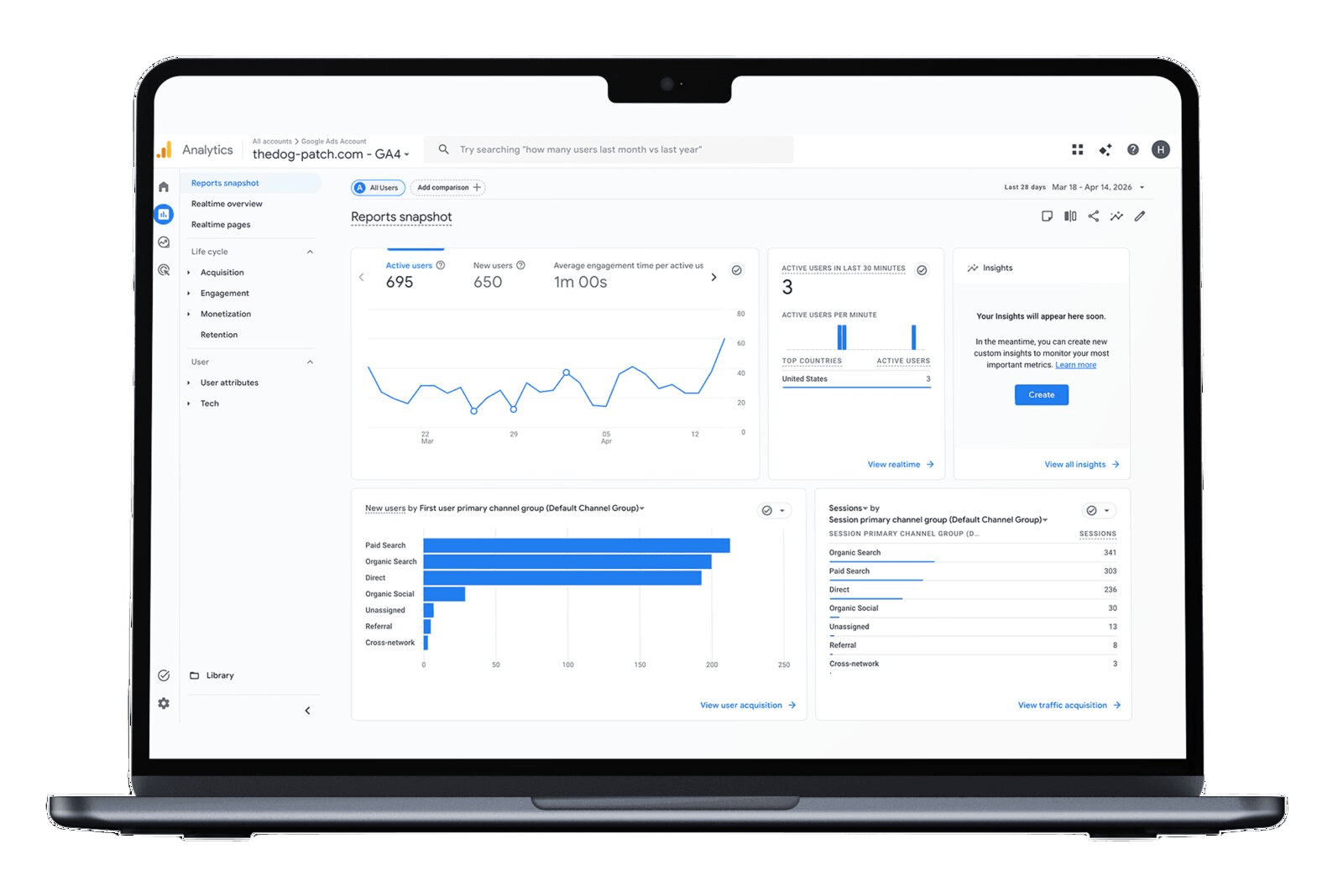
"Scaling visibility by 1,500% and driving leads through SEO, CRO, and paid strategy."
Written by: KatrinThe Dog Patch
SEO + CRO + Paid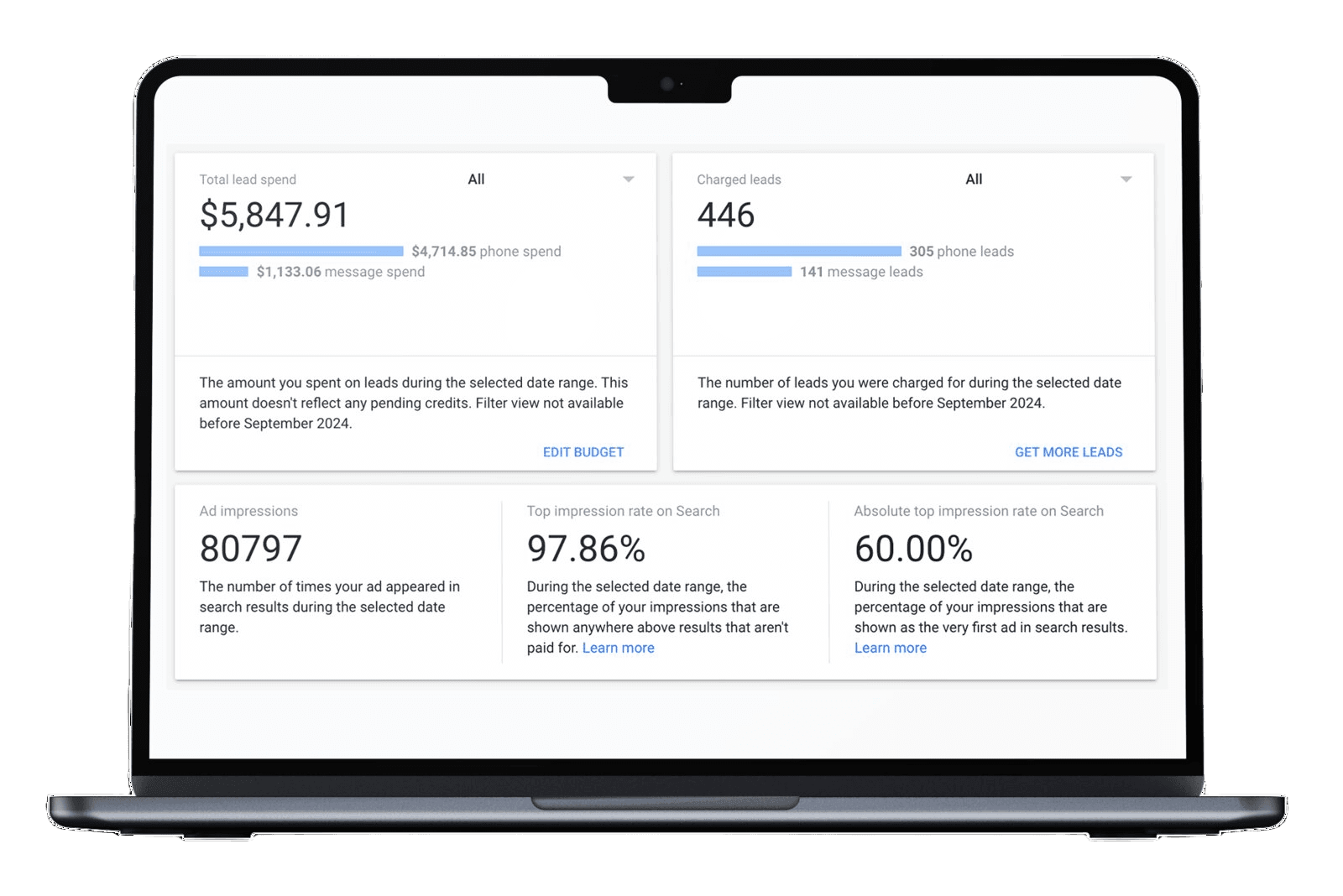
"Scaling a local pet care business with performance-driven paid campaigns."
Written by: JenniferMeeow Chicago
Google Ads + LSA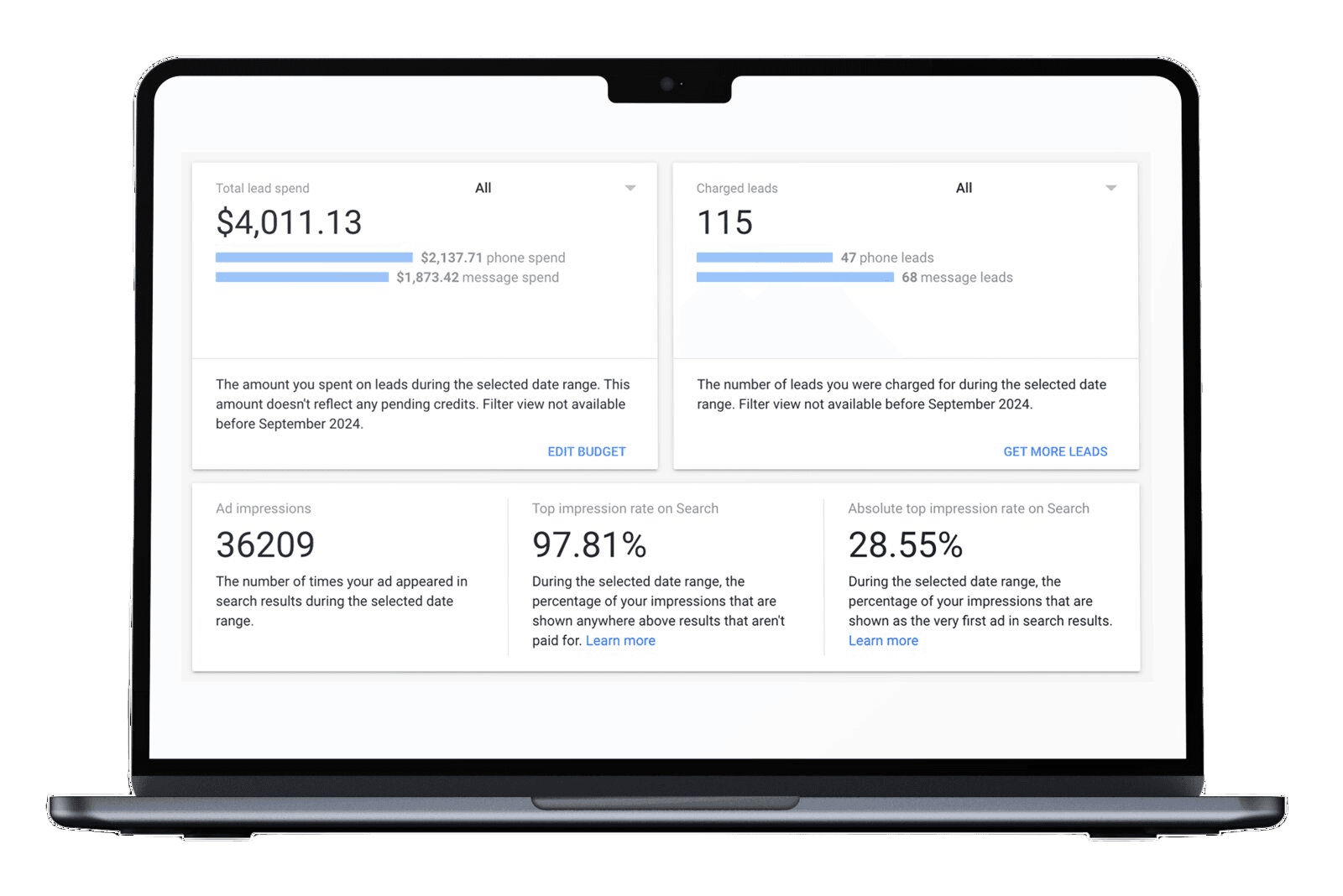
"Driving high-intent inquiries with cost-efficient paid campaigns."
Written by: Karen KreigDreamy Skies Dog Training
Local Services Ads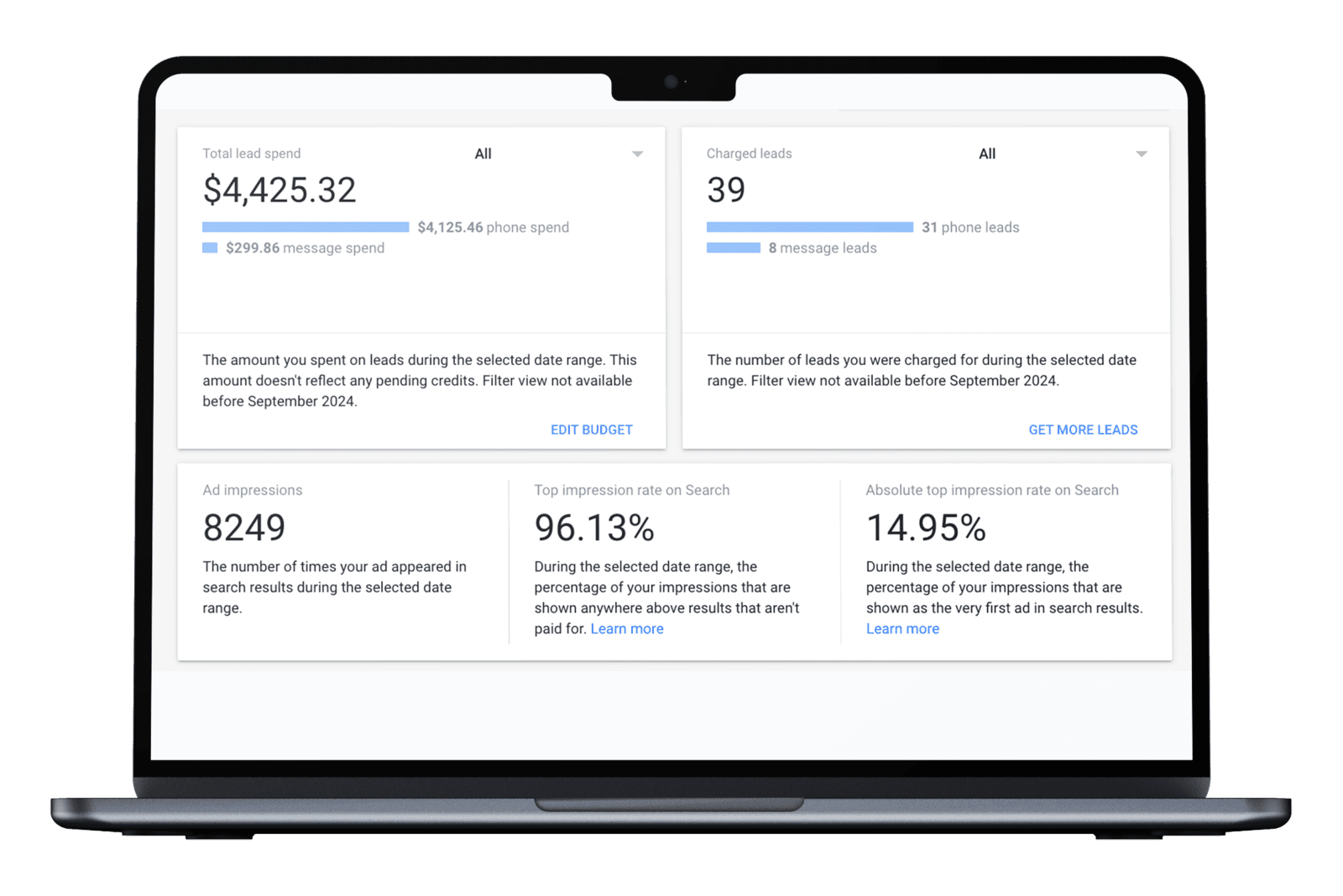
"Driving high-intent local leads through an optimized LSA strategy."
Written by: Riveka WipprechtKairos Home Improvement
Local Services Ads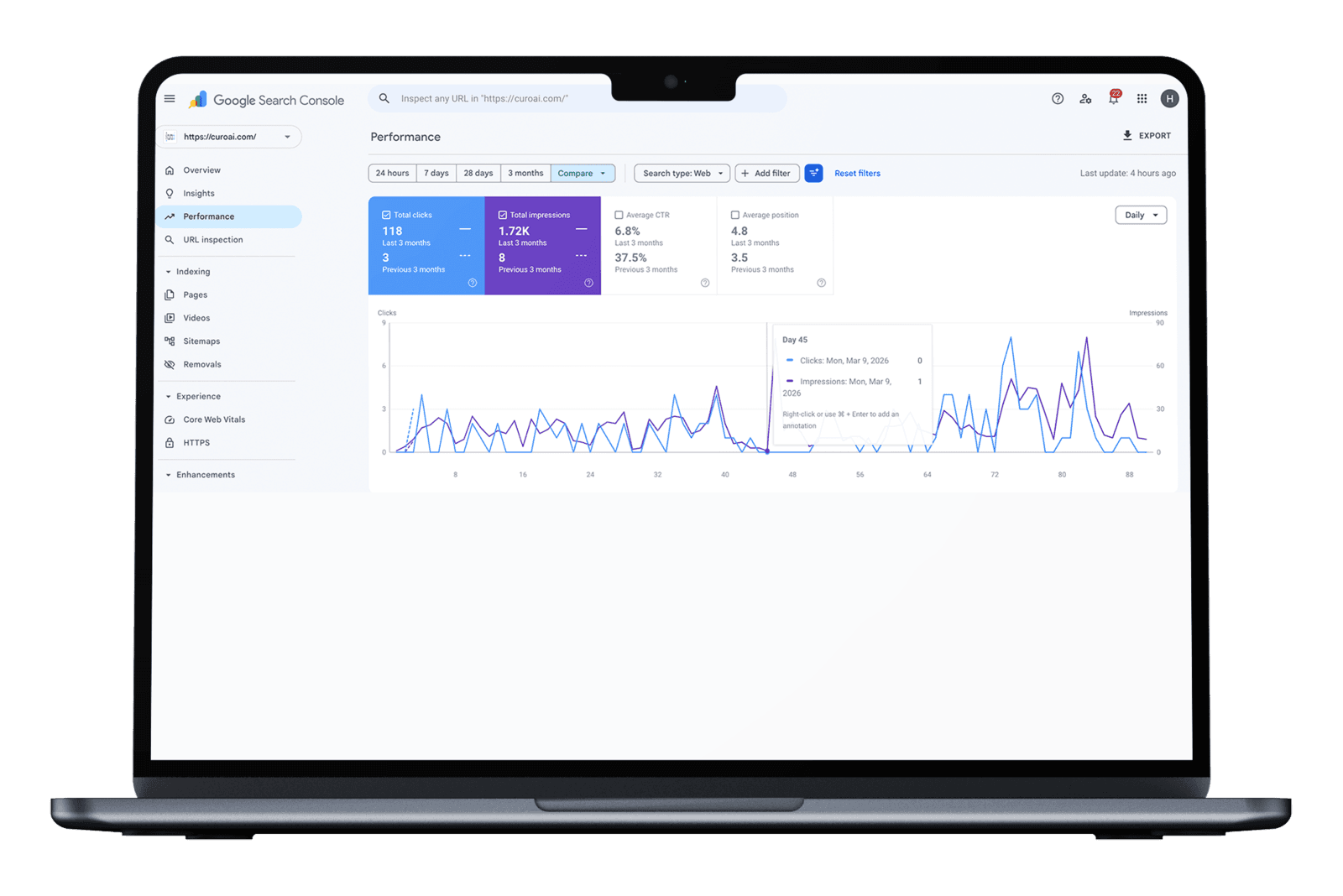
"AI integration, bot development, SEO/AEO, and ongoing website maintenance for a healthcare AI startup."
Written by: Benjamin PureCuroAI
AI + SEO/AEO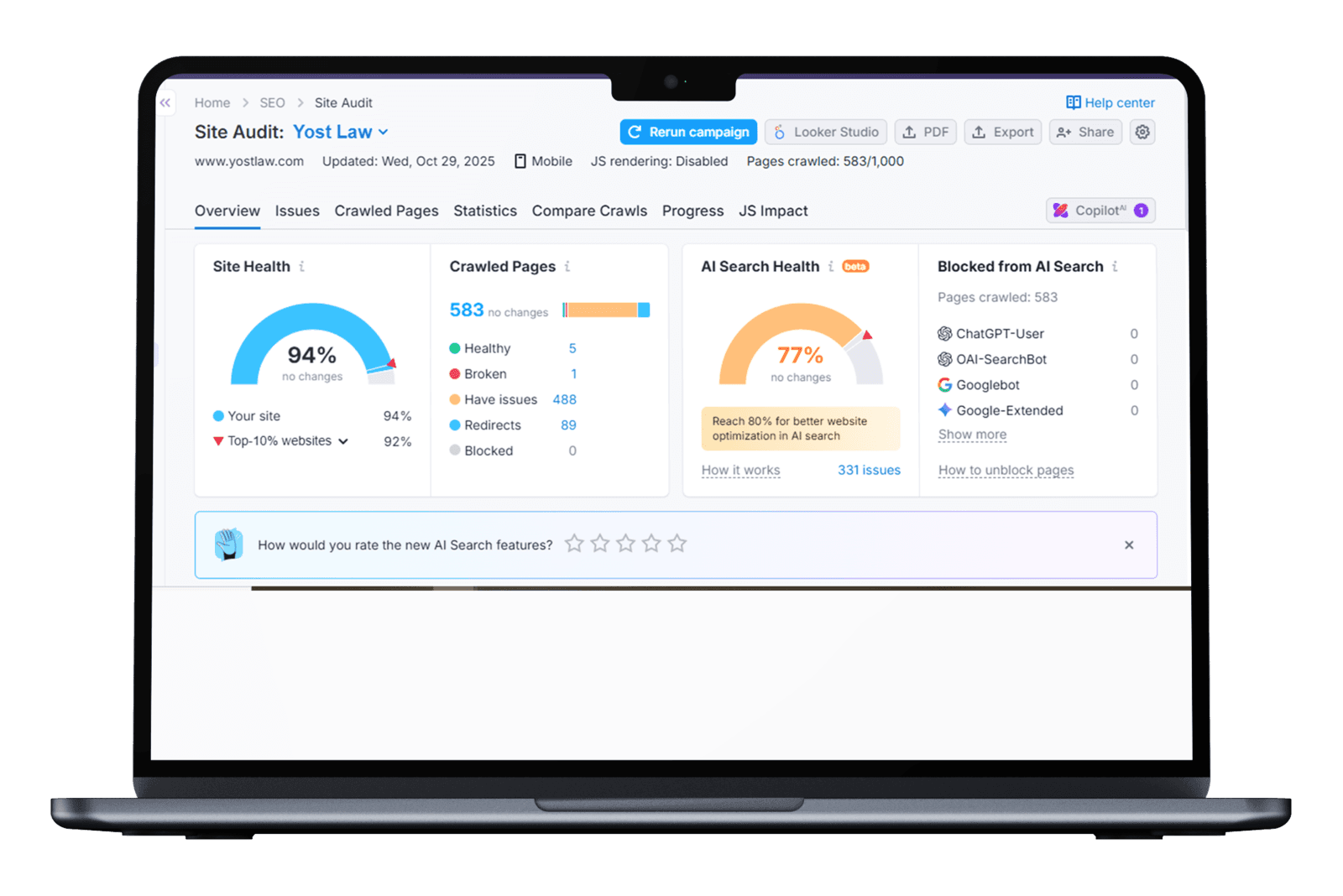
"SEO, website maintenance, and domain authority growth for a legal website."
Written by: White-Label Agency PartnerYost Law
SEO + Maintenance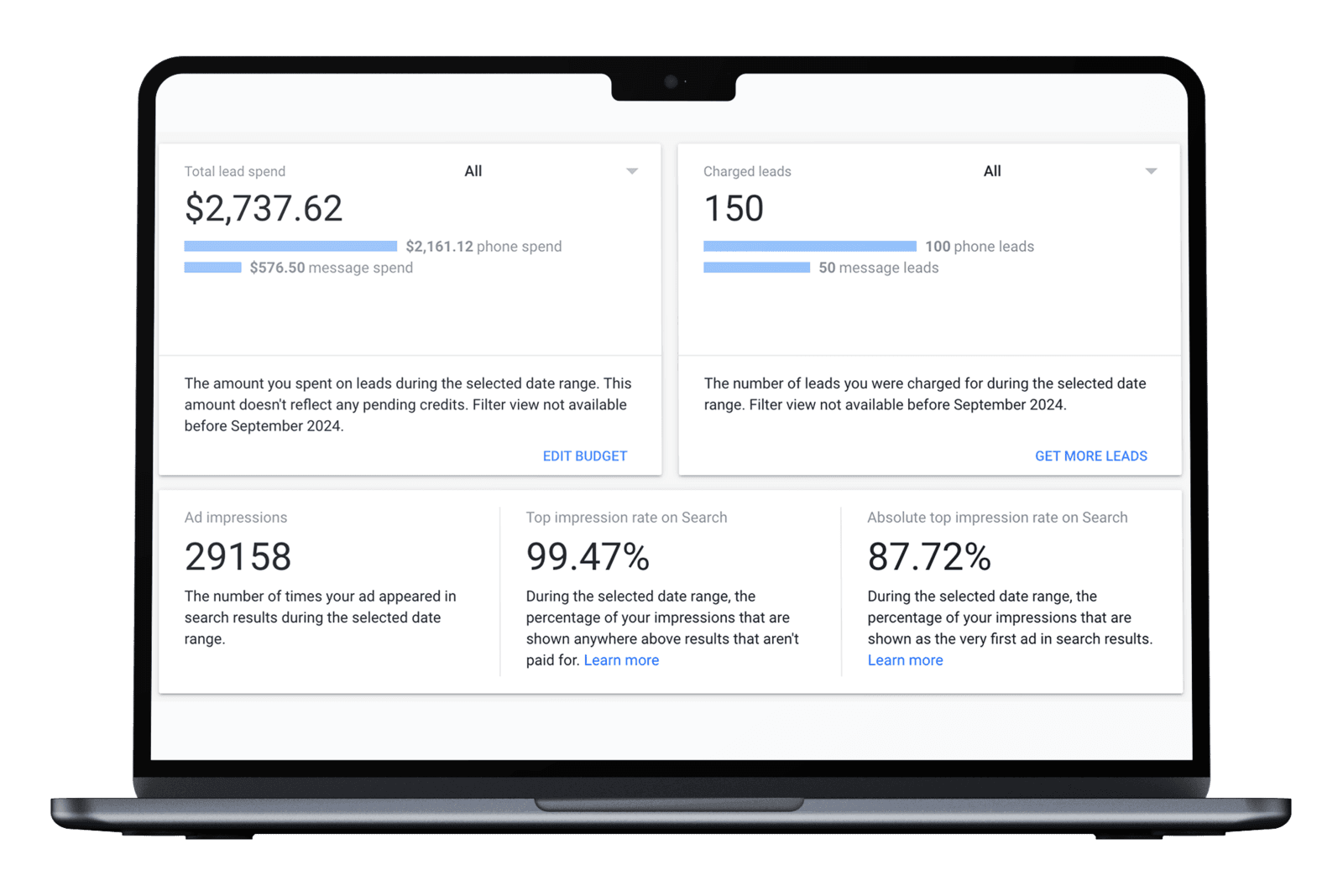
"SEO, Google Ads, LSA, and website maintenance for pet boarding business growth."
Written by: Chris WallingCanine World Boarding
SEO + Paid Ads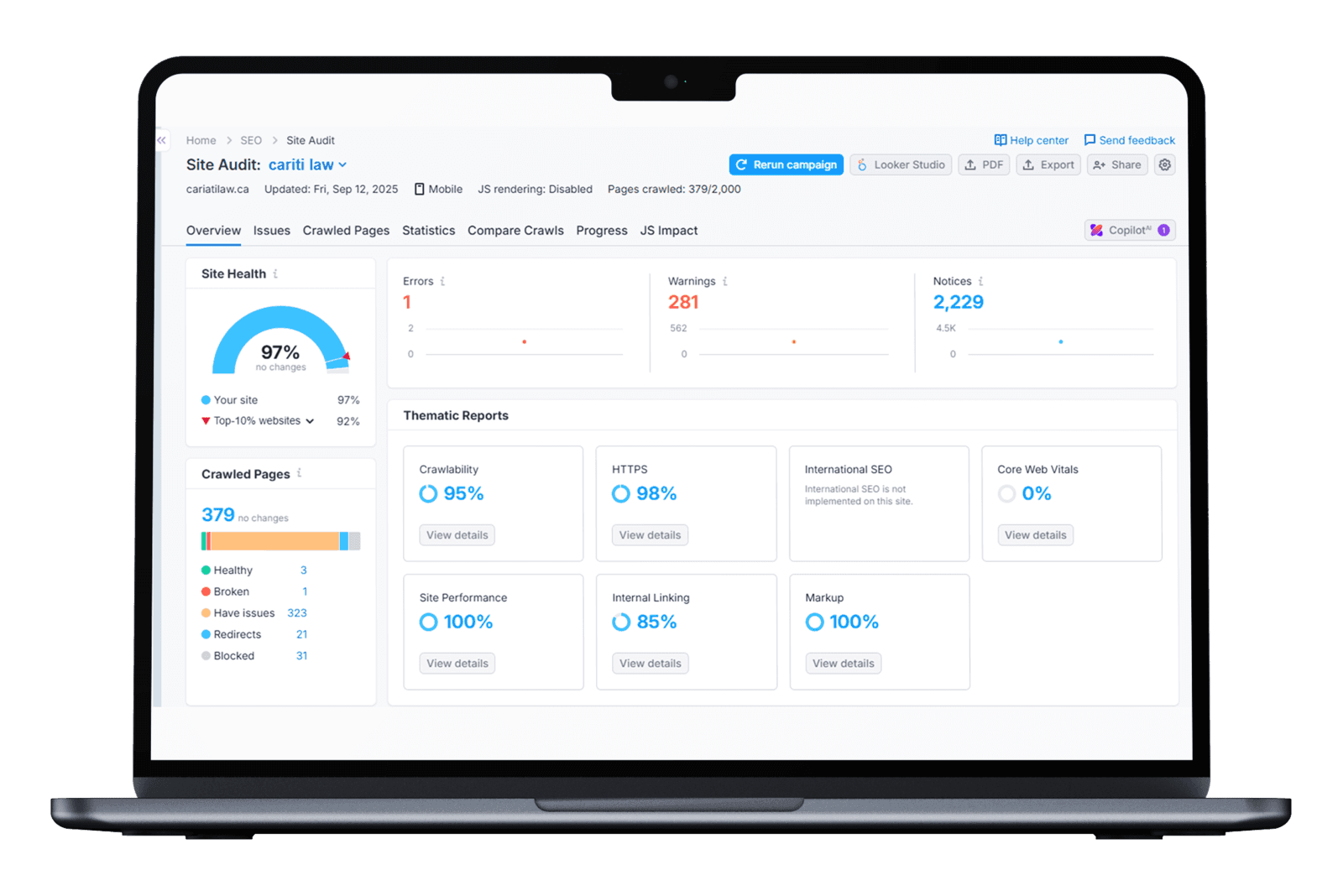
"SEO, website maintenance, and technical optimization for a legal website."
Written by: White-Label Agency PartnerCariati Law
SEO + Maintenance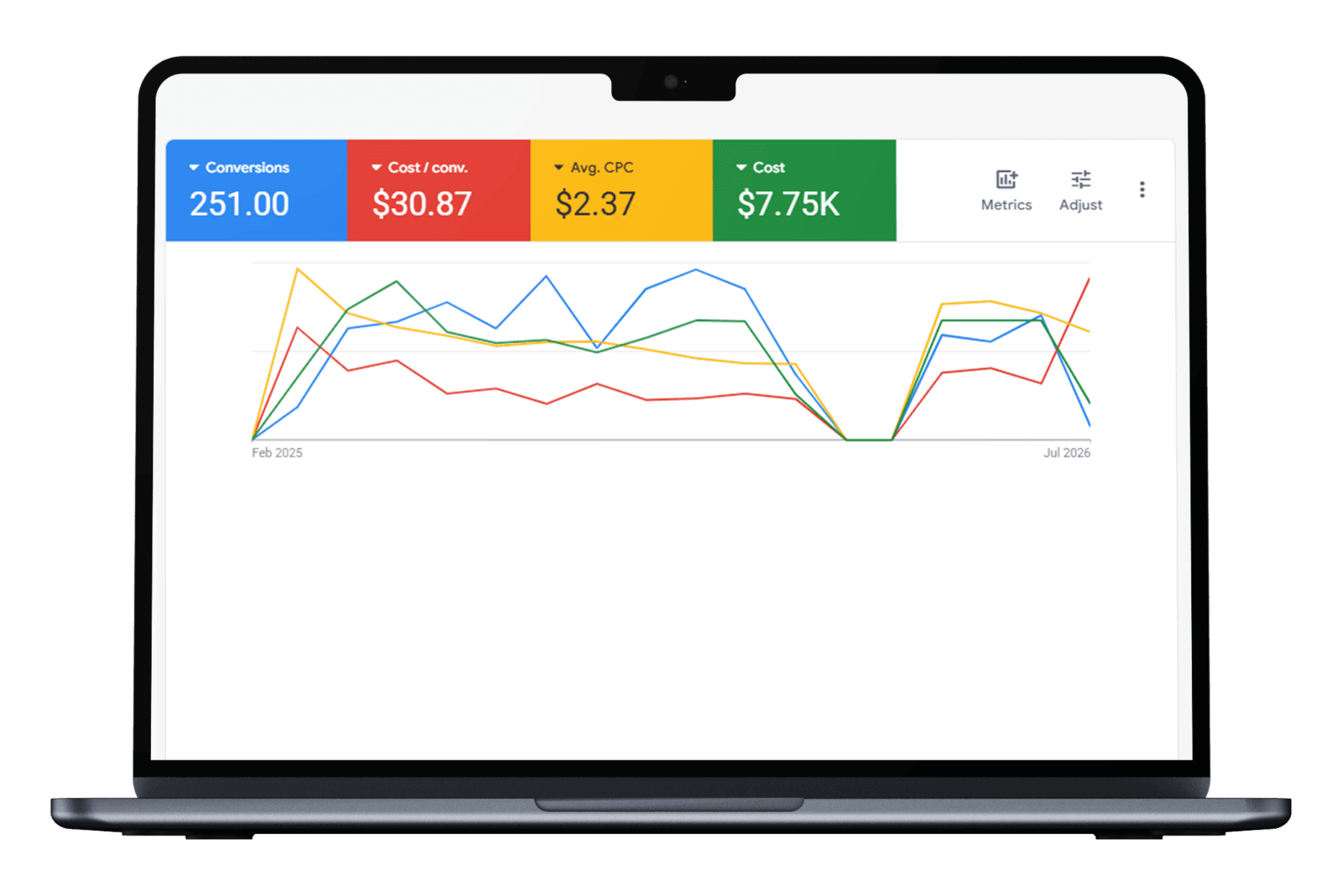
"Google Ads management and website maintenance."
Written by: JoAnna DettmannLanded Adventures
Google Ads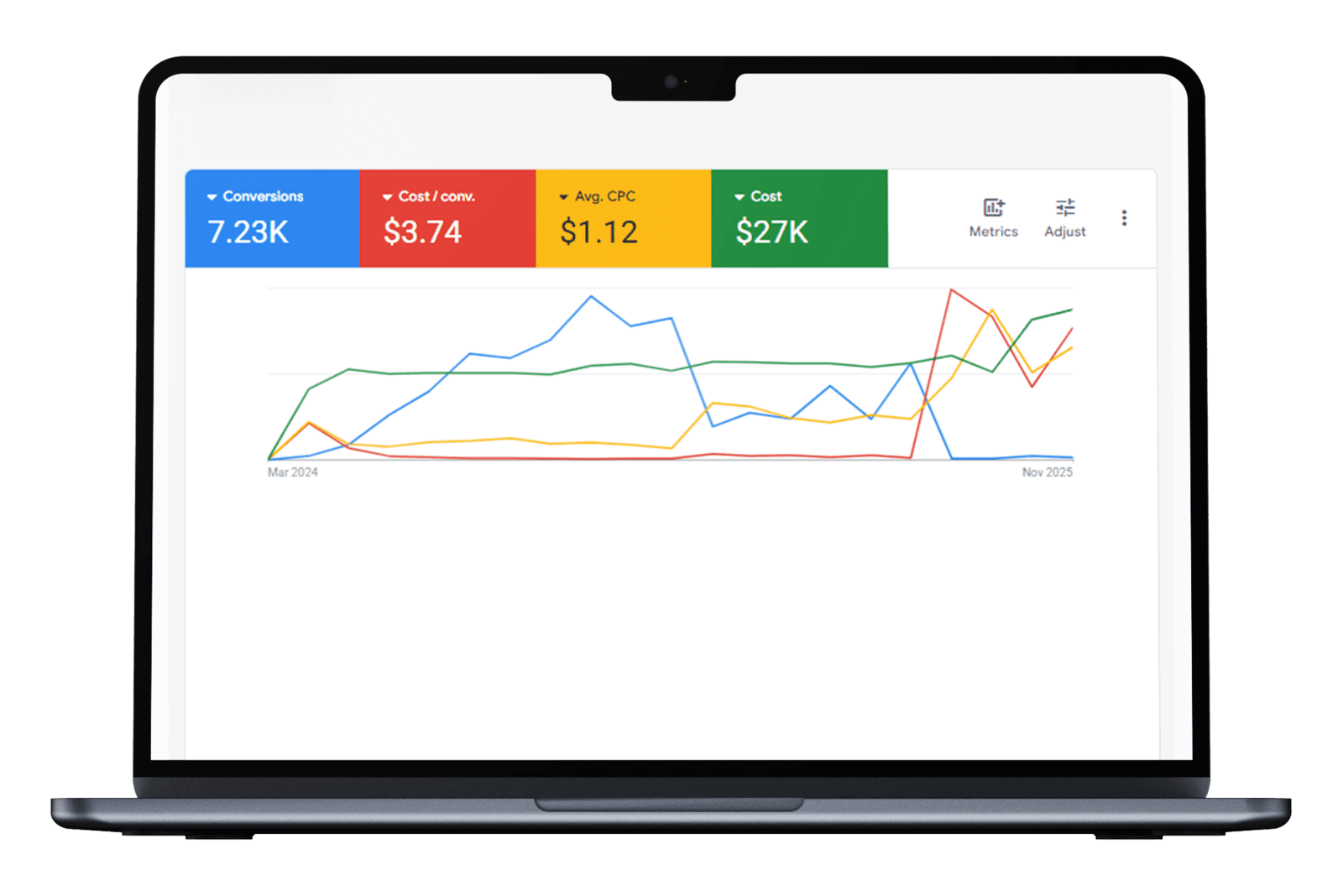
"From website revamp to scalable growth: driving leads through SEO and paid strategy."
Written by: Sidney SobgorSeadmok Water
SEO + Paid AdsA direct answer to the question pet brands ask us most.

Creative volume and creative quality, by a wide margin. Account structure, bidding, and audience settings matter, but they are secondary: the brands that scale are the ones shipping and testing new concepts every single week. What works is founder or vet explanation video, before and after results, ingredient breakdowns, user submitted pet footage, and hooks that lead with the owner's problem rather than the product. Product on a white background almost never performs. Then scale only while contribution margin holds, not because platform return looked strong for a day.
Want a creative testing plan?
Get your paid social auditReal numbers from a decade of client work, run from our Manhattan office.
Straight answers to what brand and growth leads want to know first.
Creative volume and creative quality, by a wide margin. Account structure matters, but the brands that scale are the ones producing and testing new concepts every single week.
Founder or vet explanation videos, before and after results, ingredient breakdowns, user submitted pet footage, and problem focused hooks. Product on white background rarely performs.
When contribution margin holds at increased spend, not when platform ROAS looks good for a day. We scale in controlled increments and watch marginal returns rather than averages.
Often yes for scale, alongside manual campaigns for testing and control. Running only automated campaigns removes the learning that feeds your next round of creative.
By measuring on cohort value rather than first order. Subscription products often justify negative first order margin because retention makes the second and third orders highly profitable.
Tell us about the catalog, the margins, and where scale has stalled. You will hear back within one business day.
Get your paid social audit and a creative testing plan for the next quarter. No obligation, just a senior buyer showing you where scale breaks.
 Software Pro Digital
NYC-based full-service B2C and B2B digital marketing agency, driving growth for 7-8 figure brands since 2015 through SEO, AI search, paid media, and web development for clients nationwide.
Services
Industry Marketing
Company
Local
© 2026 Software Pro Digital LLC. All rights reserved.
Developed by Software Developers Pro