 Featured
Verified
2,700+ Paid Conversions and 900+ LSA Leads for a Virginia Pet Care Brand
"From website revamp to scalable growth: driving leads through SEO and paid strategy."
Written by: Tamara Burton BelottiDancing Creek Farm
SEO + Paid AdsOrganic revenue for pet food, treat, supplement, and accessory brands. Software Pro Digital runs pet ecommerce SEO that is measured in orders and new customers rather than sessions.
Not on your product names. On categories, use cases, ingredients, and the comparisons shoppers run before they commit.
Pet shoppers rarely search a brand they have never heard of. They search a problem or a category: grain free food for a sensitive stomach, a joint supplement for a senior dog, a harness that stops pulling. That demand lands on collection pages, which is why pet supplies ecommerce SEO starts with collection architecture before any product page work begins.
The second concentration is comparison. Pet buyers research harder than shoppers in most categories because the product goes into an animal they are responsible for. Ingredient explainers, brand comparisons, and best for guides capture that research phase and presell the shopper before they reach a product page. Software Pro Digital builds both layers and reports organic revenue rather than traffic.
Collection pages usually outperform individual product pages by a wide margin.
Four layers run in order, because content published onto a broken catalog underperforms.
Speed, crawl budget, app bloat, and theme problems resolved first, since they cap most pet catalogs before content ever lands.
The category structure built from real search demand, by species, use case, life stage, and ingredient, before product work starts.
Unique copy on the products carrying margin, with variant sprawl consolidated so the catalog stops competing against itself.
Buying guides, ingredient explainers, and breed specific advice that pull qualified traffic and get cited by AI answers.
Coverage from pet publications and review sites, the authority that lets a newer brand compete with established catalogs.
Organic revenue and new customer orders tied to the collections and content that produced them, not a sessions chart.
Fix the foundation, build the architecture, then earn the authority. In that order.
We map crawl waste, duplicate variants, thin collections, and theme performance, then quantify what each is costing you.
Speed, app cleanup, canonical rules, and faceted navigation control, so the work that follows compounds instead of leaking.
Category architecture rebuilt around demand, which is where the largest and fastest organic revenue gains usually come from.
Research content published against the buying journey, with digital PR earning the links that lift the whole domain.
Monthly reporting on organic revenue and new customers, with the next sprint aimed at the collections that are converting.
Shopify solves some problems and creates others. These are the ones that cap pet catalogs.
Bloated themes and stacked apps are the usual cause of slow stores. We quantify the cost before recommending development work.
Size and flavor variants generate huge duplication in pet catalogs. Canonical rules stop the site competing with itself.
Shopify's default collection and product paths create crawl waste. We set the structure and internal linking deliberately.
Product, review, and FAQ markup plus a clean feed, so listings, rich results, and shopping surfaces all read the catalog correctly.
Collections earn the traffic and product pages close the sale. They need different treatment.
By species, use case, life stage, and ingredient, matching how shoppers browse rather than how your supplier organizes stock.
Collections need genuine introductory and supporting content to rank, not a heading over a product grid.
Manufacturer copy duplicated across every retailer does not rank. We rewrite the products that carry your margin.
User content adds unique text, answers pre purchase objections, and feeds review markup at the same time.
Publish only what can earn revenue. Generic pet content does nothing for a pet brand.
The research a responsible owner does before switching food. High intent, highly citable, and directly linked to collections.
Content aimed at a specific dog rather than dogs in general, which is how pet shoppers actually narrow a decision.
Coverage and links from pet media and review sites, the authority that closes the gap with an established competitor.
The last searches before a purchase, and the ones most brands never build for.
We find the brands you are actually compared against and the alternative and versus searches already running against them.
Fair, specific comparison pages that state where you win and where you do not. Overclaiming loses trust and citations both.
Best for and use case queries pointed at the collection that answers them, rather than a blog post that dead ends.
Sessions are easy to grow and easy to fake. Revenue is neither.
Organic revenue and new customer orders, with rankings tied to assisted revenue so you see which content actually pays.
Shopify SEO for pet brands needs developers who know the platform's limits, and ours sit on the same team as the strategists.
Authority building runs alongside our digital PR team rather than being outsourced to a link vendor.
Experienced strategists run the account, not juniors learning pet product SEO on your budget.
Discover real outcomes from real clients, from local SEO wins to paid media performance and full funnel growth.
Featured"From website revamp to scalable growth: driving leads through SEO and paid strategy."
Written by: Tamara Burton BelottiDancing Creek Farm
SEO + Paid Ads
"Scaling organic traffic and visibility through a strategic website rebuild and SEO."
Written by: Paden SquiresSquires Tax Planning
Web Design + SEO
"Scaling a digital agency's visibility and leads through a website revamp and SEO."
Written by: Audrey BakhachCustom Digital Solutions
Web Design + SEO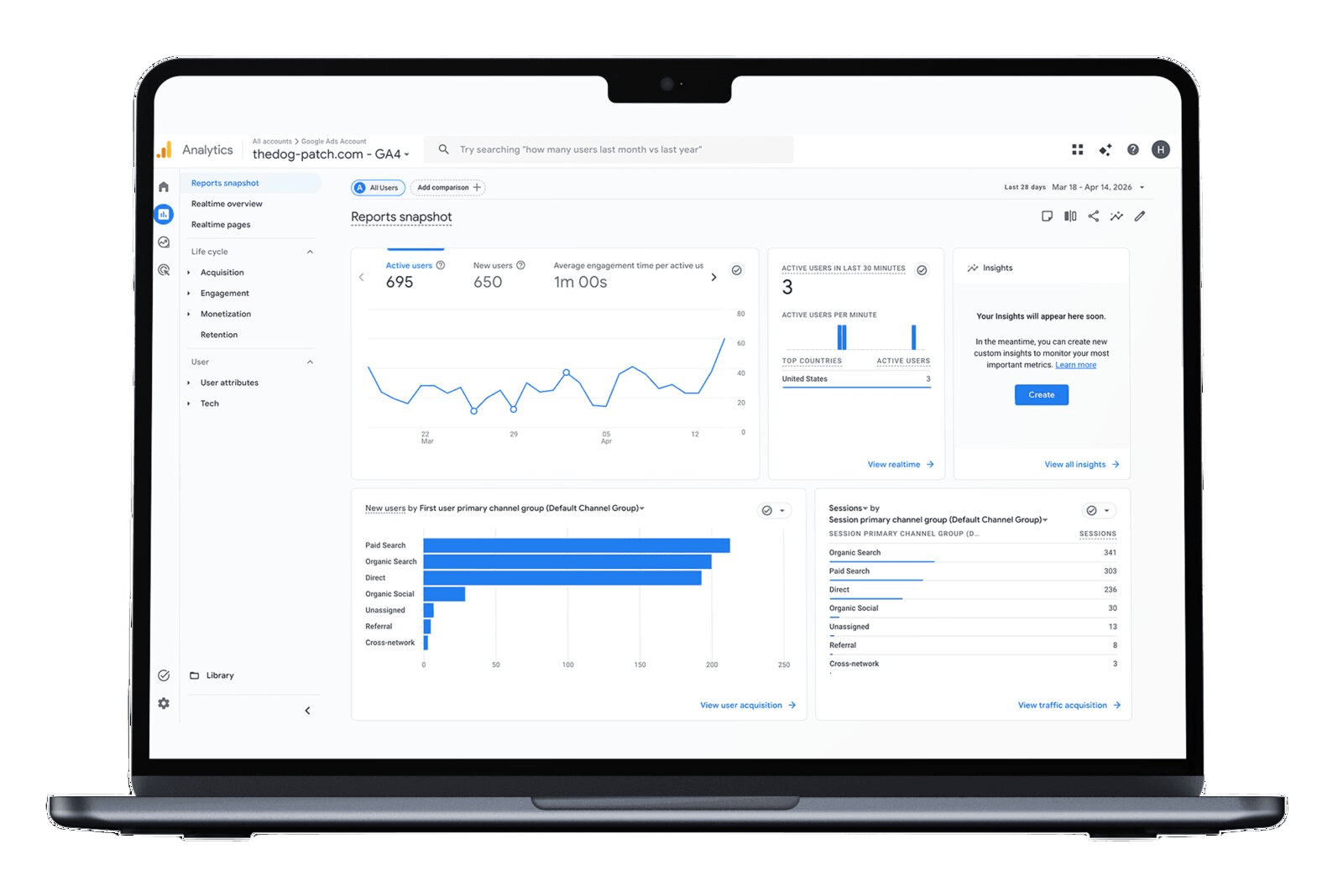
"Scaling visibility by 1,500% and driving leads through SEO, CRO, and paid strategy."
Written by: KatrinThe Dog Patch
SEO + CRO + Paid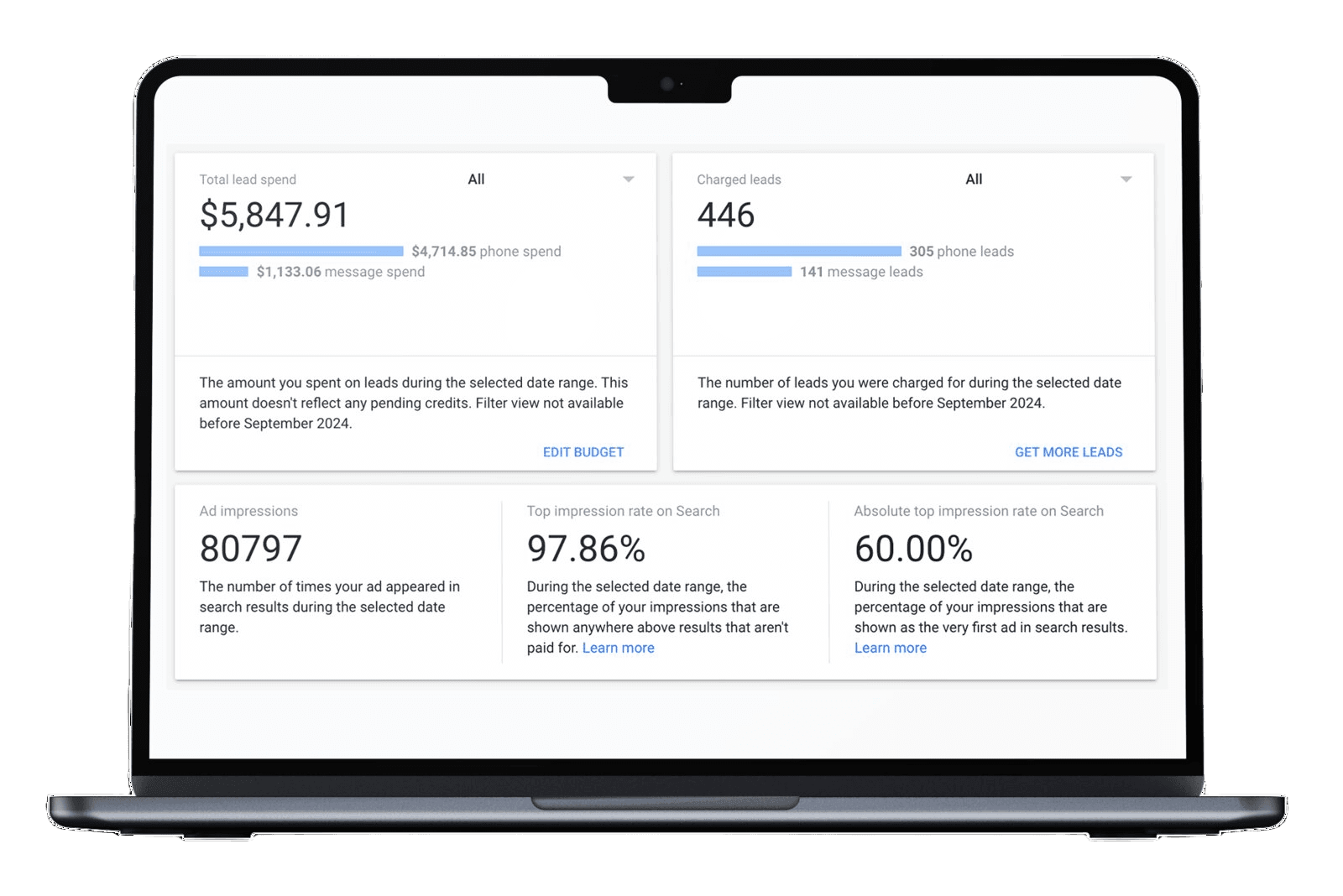
"Scaling a local pet care business with performance-driven paid campaigns."
Written by: JenniferMeeow Chicago
Google Ads + LSA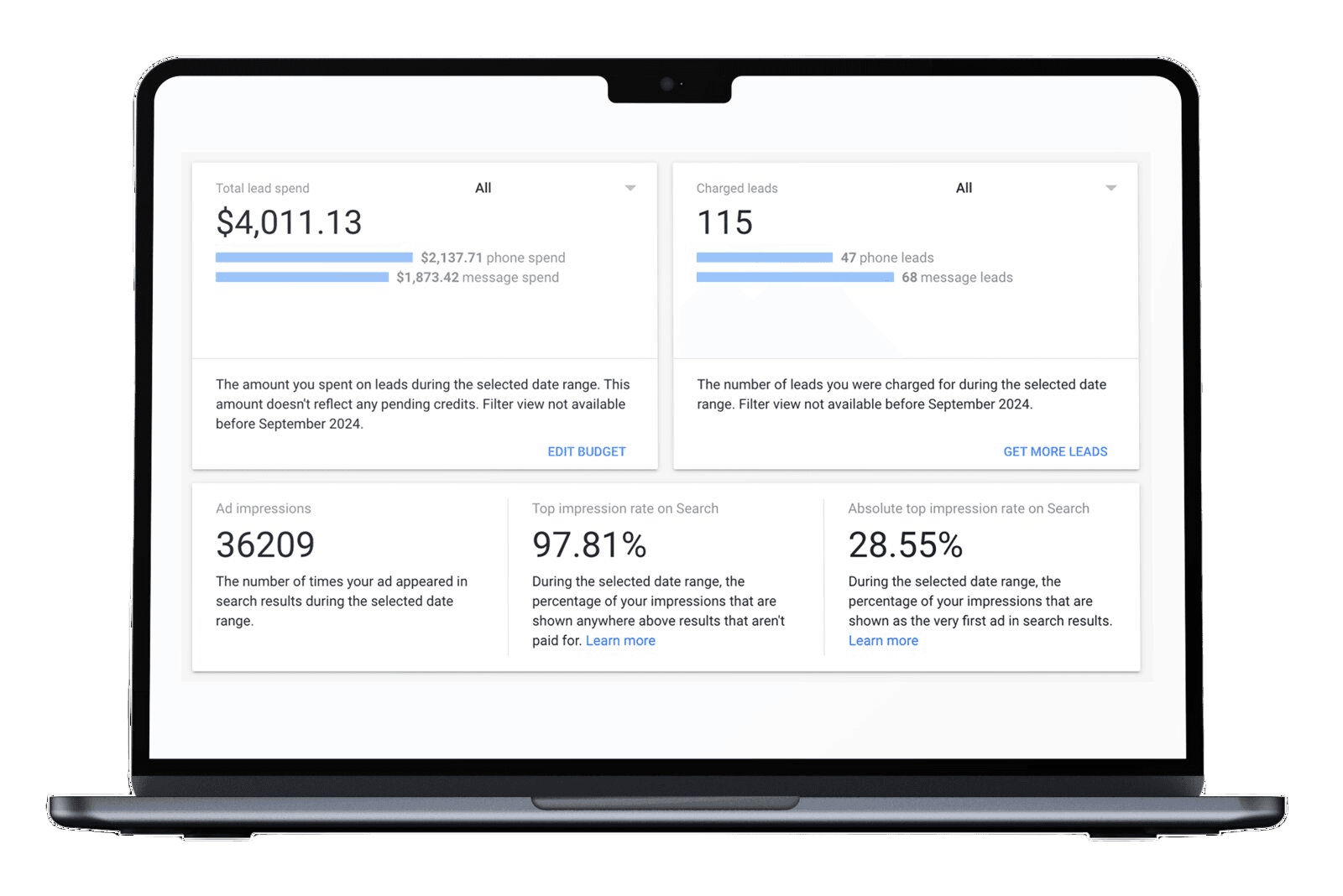
"Driving high-intent inquiries with cost-efficient paid campaigns."
Written by: Karen KreigDreamy Skies Dog Training
Local Services Ads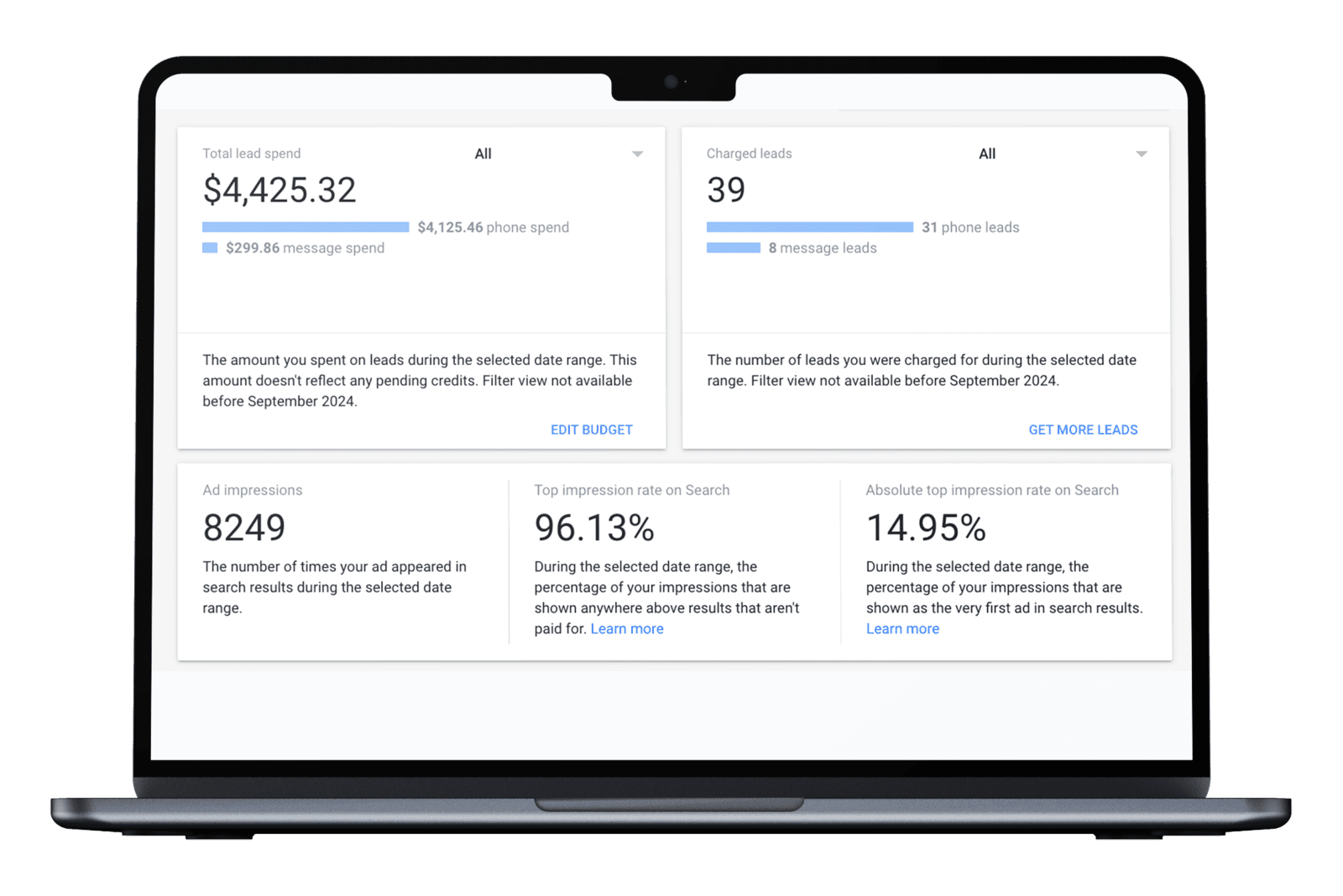
"Driving high-intent local leads through an optimized LSA strategy."
Written by: Riveka WipprechtKairos Home Improvement
Local Services Ads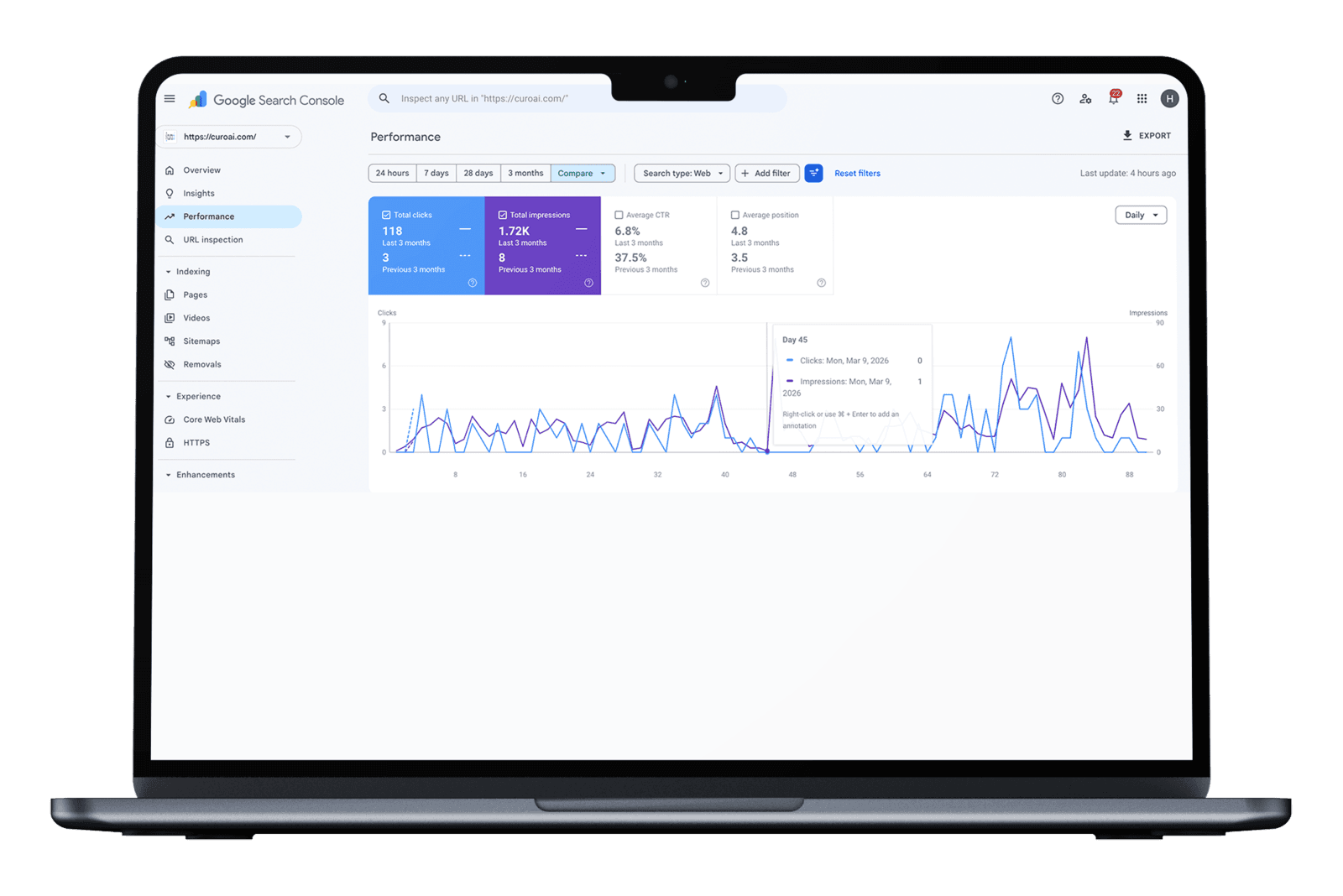
"AI integration, bot development, SEO/AEO, and ongoing website maintenance for a healthcare AI startup."
Written by: Benjamin PureCuroAI
AI + SEO/AEO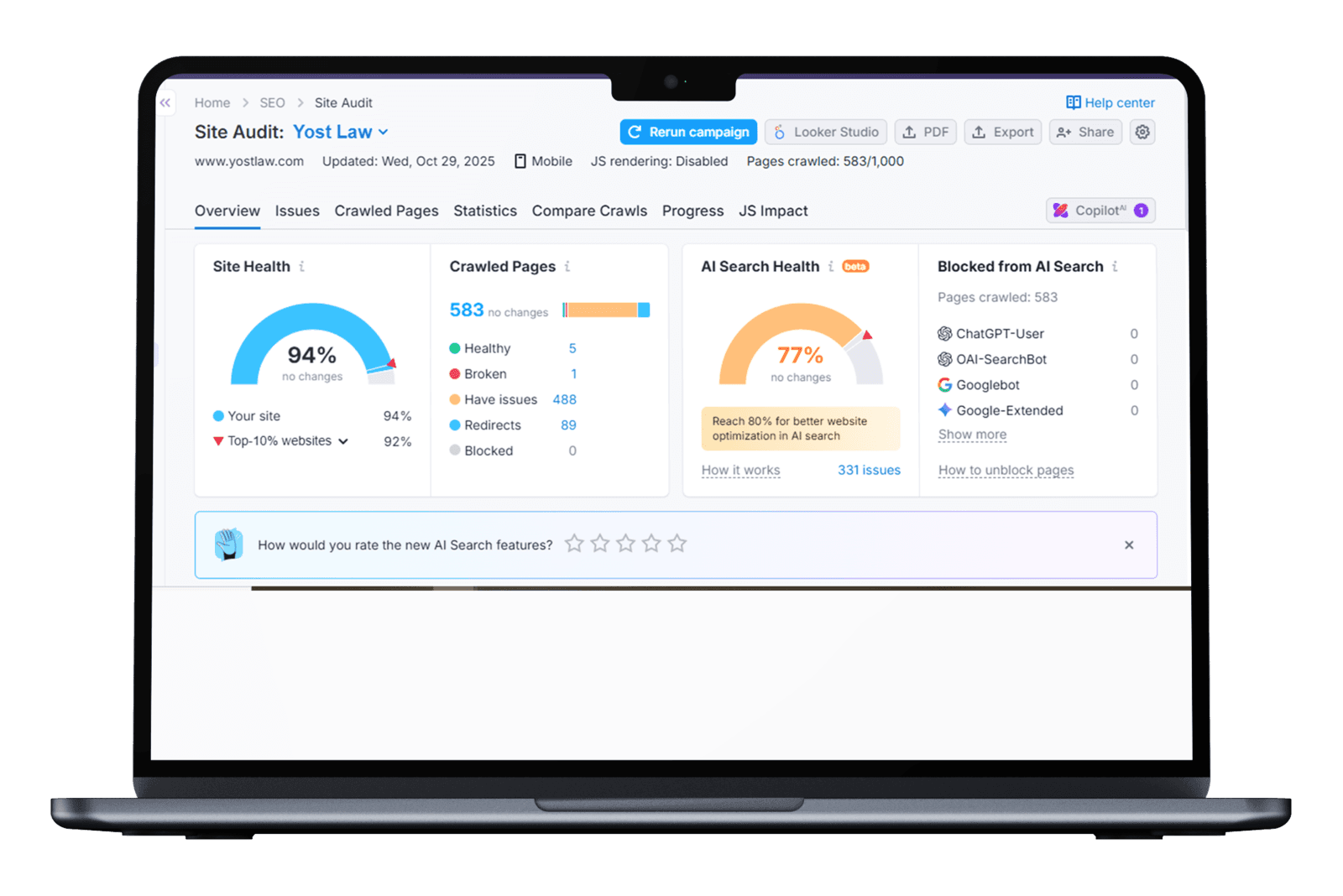
"SEO, website maintenance, and domain authority growth for a legal website."
Written by: White-Label Agency PartnerYost Law
SEO + Maintenance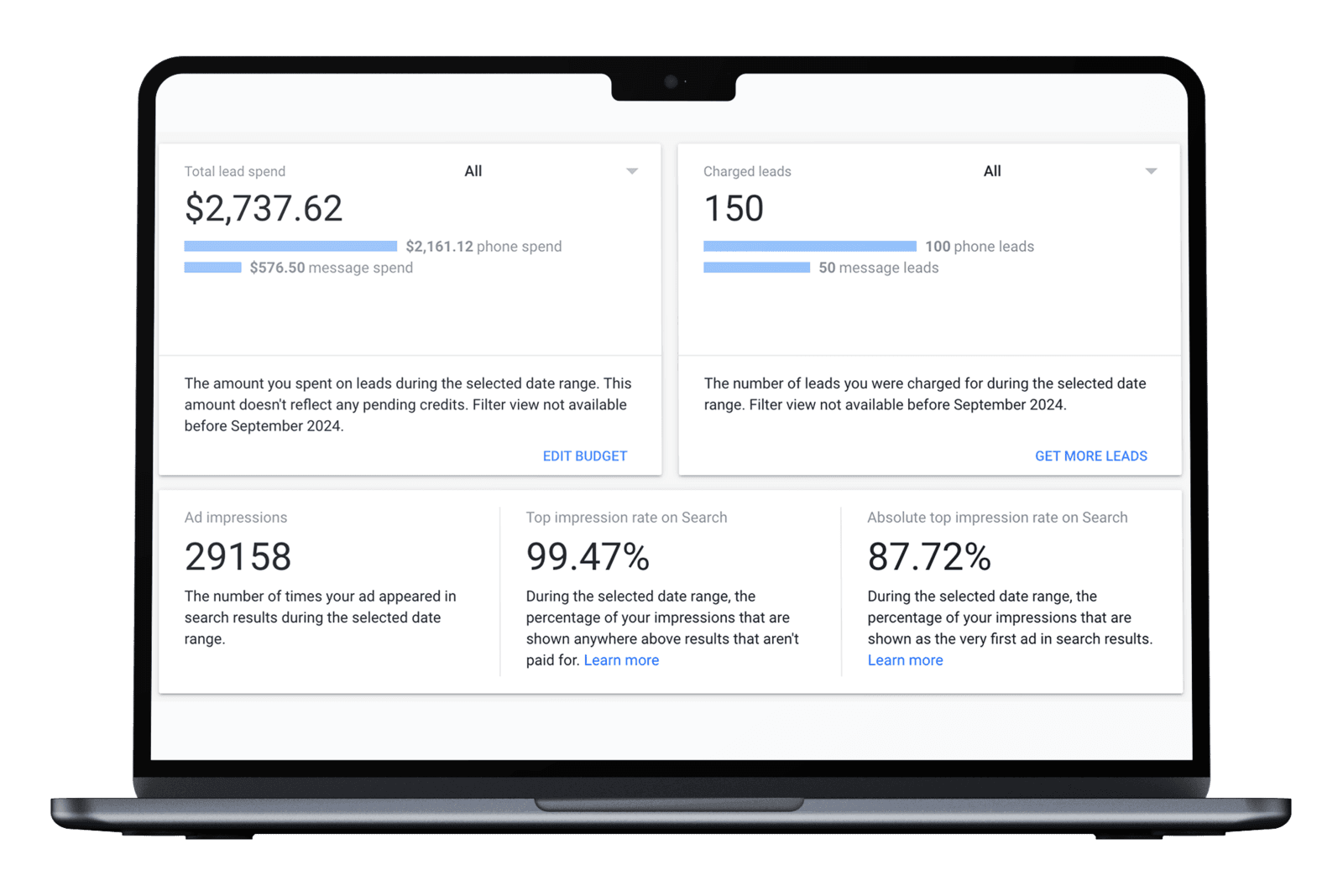
"SEO, Google Ads, LSA, and website maintenance for pet boarding business growth."
Written by: Chris WallingCanine World Boarding
SEO + Paid Ads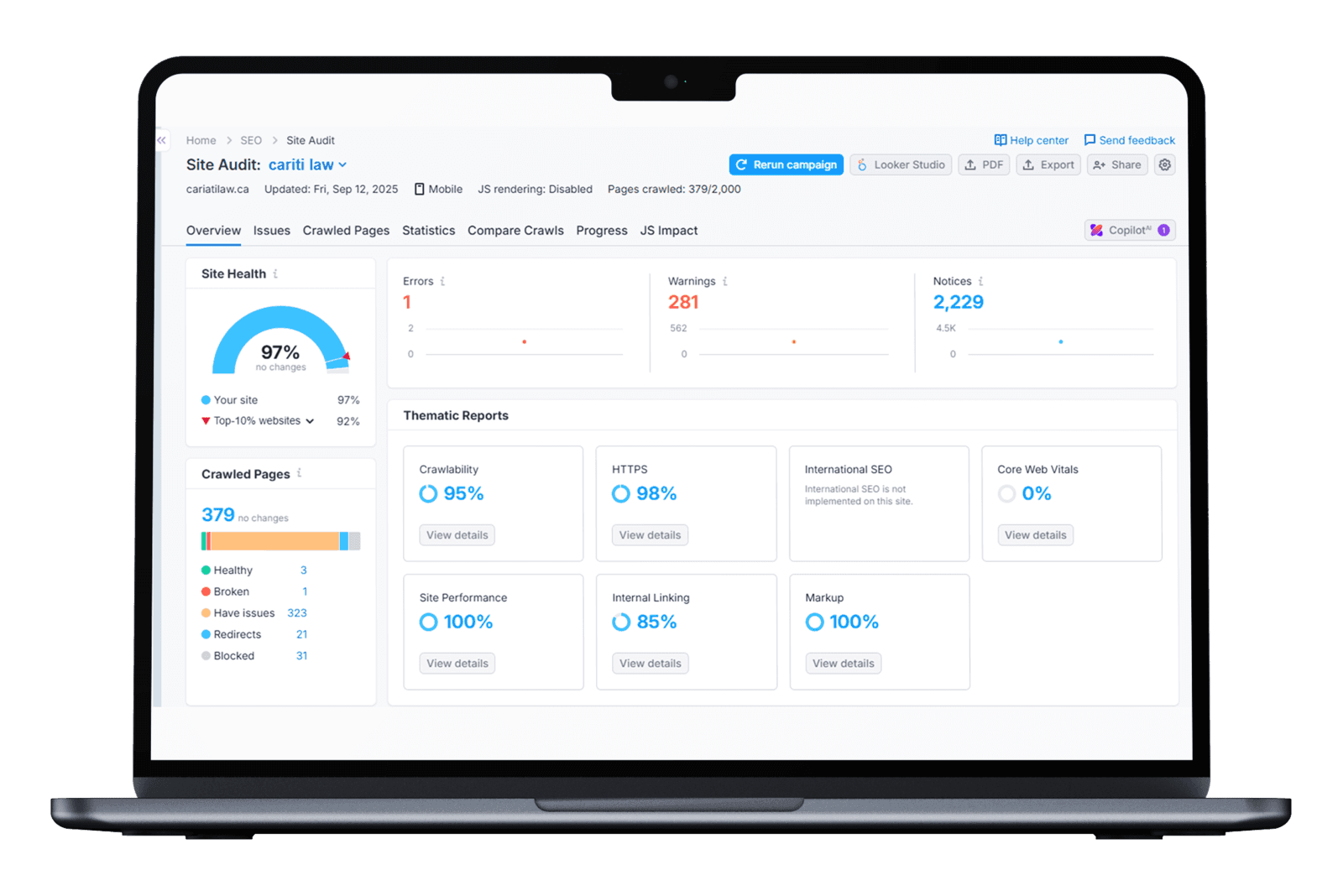
"SEO, website maintenance, and technical optimization for a legal website."
Written by: White-Label Agency PartnerCariati Law
SEO + Maintenance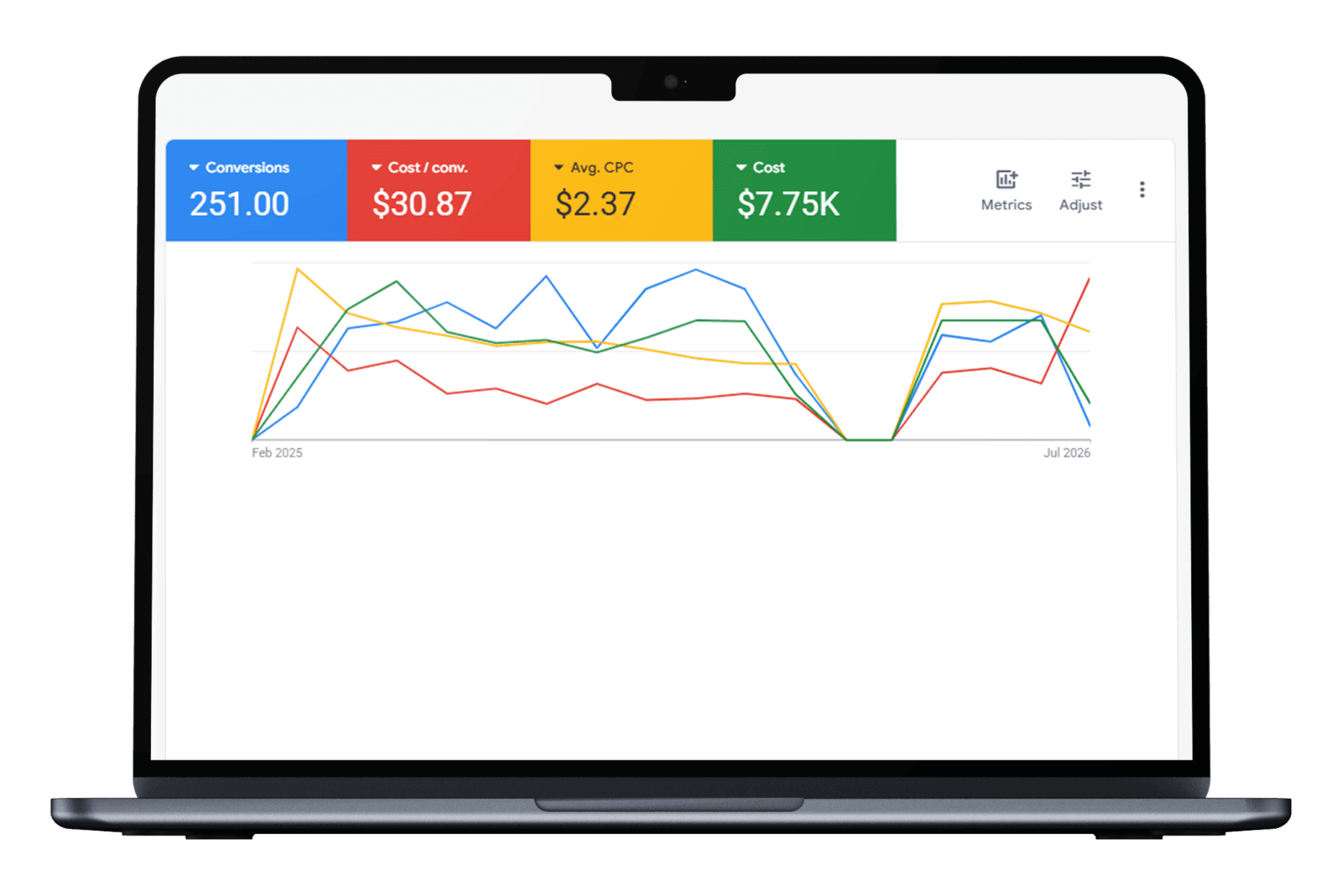
"Google Ads management and website maintenance."
Written by: JoAnna DettmannLanded Adventures
Google Ads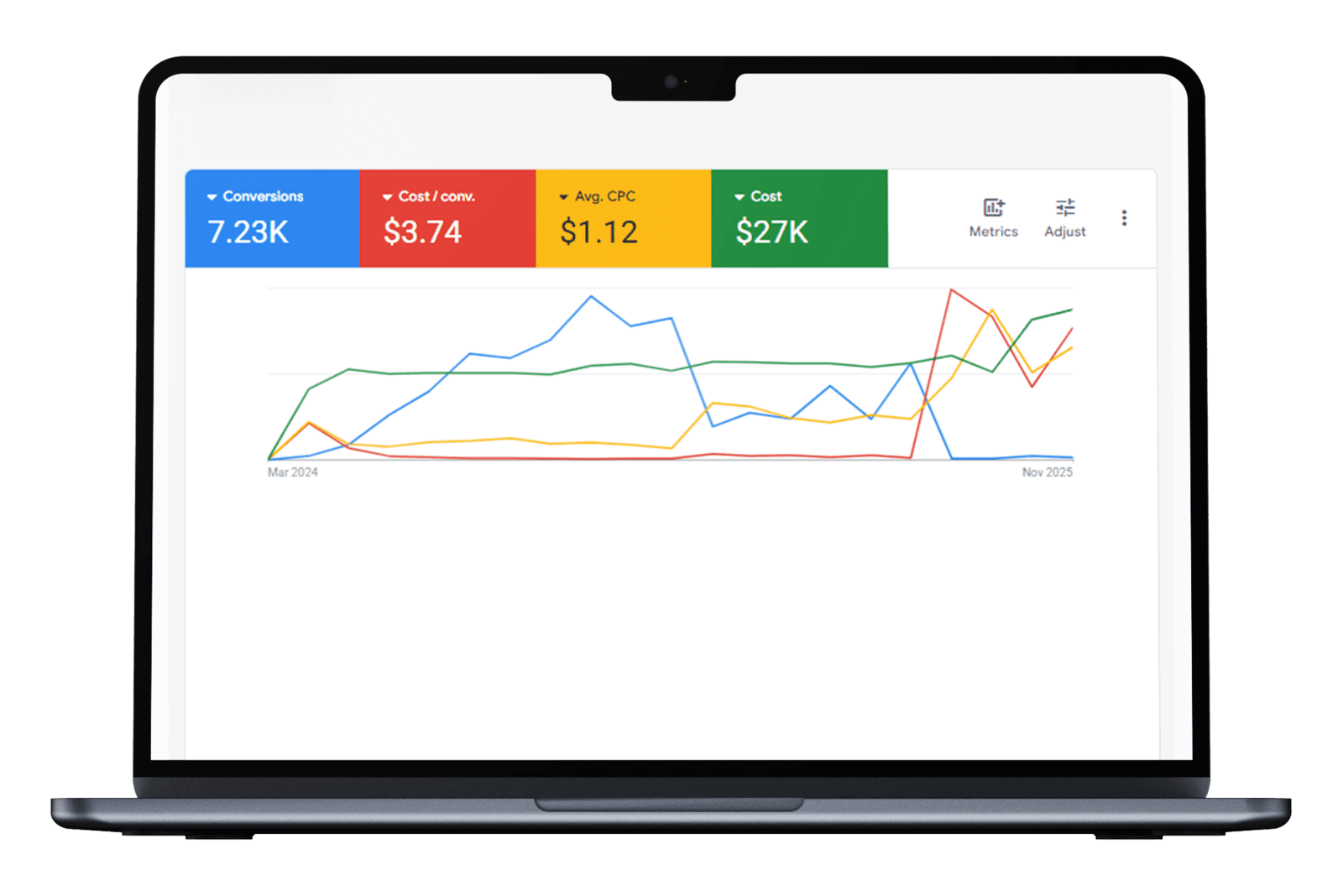
"From website revamp to scalable growth: driving leads through SEO and paid strategy."
Written by: Sidney SobgorSeadmok Water
SEO + Paid AdsA direct answer to the question pet brands ask us most.

Collection pages, by a wide margin. Pet shoppers search by category and use case long before they search a product name, so the collection is the page that meets the demand. That is why architecture comes first: collections built around species, use case, life stage, and ingredient, each with genuine copy rather than a heading over a product grid. Product pages then close the sale, with unique copy on the items carrying margin and variant duplication consolidated. Software Pro Digital reports organic revenue and new customer orders, never sessions.
Want this mapped to your catalog?
Get your ecommerce SEO auditReal numbers from a decade of client work, run from our Manhattan office.
Straight answers to what brand and ecommerce leads want to know first.
Collection pages usually outperform individual product pages, because shoppers search by category and use case first. We build collection architecture around real search demand before touching product pages.
Only if it earns revenue. For pet brands, buying guides, ingredient explainers, and breed specific advice pull qualified traffic and get cited by AI answers. Generic pet content does not.
We rewrite priority products, consolidate variant sprawl, and set canonical rules so the site does not compete against itself. Variant driven duplication is the most common problem we find in pet catalogs.
To a point. Content, architecture, and metadata carry a long way, but slow themes and bloated apps cap results. We quantify the cost before recommending development work.
Organic revenue and new customer orders, not sessions. Reporting ties rankings to assisted revenue so you can see which content and collections actually pay.
Tell us about the catalog and where growth has stalled. You will hear back within one business day.
Get your pet ecommerce SEO audit and a plan for the collections worth owning. No obligation, just a senior strategist showing you what the catalog is losing.
 Software Pro Digital
NYC-based full-service B2C and B2B digital marketing agency, driving growth for 7-8 figure brands since 2015 through SEO, AI search, paid media, and web development for clients nationwide.
Services
Industry Marketing
Company
Local
© 2026 Software Pro Digital LLC. All rights reserved.
Developed by Software Developers Pro